Get Full Government Meeting Transcripts, Videos, & Alerts Forever!
Get email alerts on the Zoning Udo Rewrite topic
No spam. Unsubscribe anytime.
Riverside council hears plan for hybrid zoning rewrite to shape corridor redevelopment
Summary
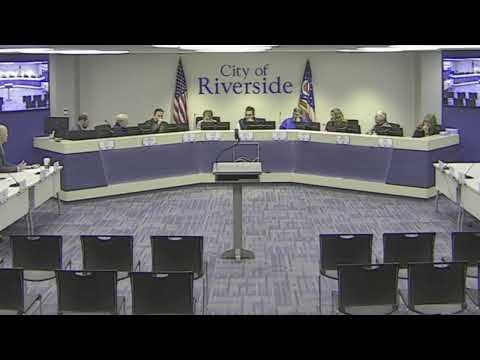
Todd Kinski, a consultant with Zoning Co, told the Riverside City Council on Jan. 21 that the city’s zoning code should be rewritten as a “hybrid” Unified Development Ordinance to better implement the recently completed comprehensive plan and guide redevelopment along the city’s commercial corridors.
Todd Kinski, a consultant with Zoning Co, told the Riverside City Council on Jan. 21 that the city’s zoning code should be rewritten as a “hybrid” Unified Development Ordinance to better implement the recently completed comprehensive plan and guide redevelopment along the city’s commercial corridors.
Kinski said the work is a diagnosis-calibration-writing process and warned that “rewriting a zoning code is a messy business.” He proposed starting with a six-month calibration phase with staff to resolve standards and then moving into code drafting, with community meetings during the writing phase. He said the full process could take roughly a year before bringing a final draft to the council.
The consultant said the code should do three things: reflect existing development patterns (to reduce routine variances), put consolidated use tables and graphics up front to make the code more user friendly, and add corridor-specific design standards so future projects match the city’s vision for a town center and walkable corridors. Kinski recommended a character- or district-based approach so different corridors can have different standards for massing, setbacks and building design rather than one uniform standard citywide.
Council members and staff asked about calibration and neighborhood fit. Kinski described technical tools the team will use — including GIS and contextual infill standards — to match district rules to the size and character of existing lots and streets to avoid forcing homeowners to seek variances for longstanding lot dimensions. He also said the consultant team will be guided by the city’s comprehensive plan and community input gathered via surveys and planned public meetings.
City Manager (name not specified) told council he will prepare a resolution for the next meeting that would formally adopt the hybrid approach as the city’s preferred strategy for the UDO rewrite and authorize the consultant to continue the calibration work with staff.
The council did not take a final vote on code language on Jan. 21; the meeting ended with direction to staff to draft the resolution and bring it back at a future meeting for formal action.
Why it matters: A rewrite that ties zoning rules more closely to the comprehensive plan and to existing neighborhood patterns is intended to reduce routine variances, make the code easier to use for residents and businesses, and steer new development on commercial corridors toward the design outcomes the city signaled in its plan.
Next steps: staff and Zoning Co will proceed with the calibration phase, hold community meetings, and return a resolution to council authorizing the preferred hybrid approach and next-phase funding and schedule.