Get Full Government Meeting Transcripts, Videos, & Alerts Forever!
Get email alerts on the Watershed Storage Dutton Locks topic
No spam. Unsubscribe anytime.
Pelican River Watershed and Becker County weigh options for Dutton Locks storage shed after decades-long arrangement
Summary
County commissioners and Pelican River Watershed officials discussed ownership records and possible relocation of a watershed storage building at Dutton Locks, directing staff to gather historical documents and return with options.
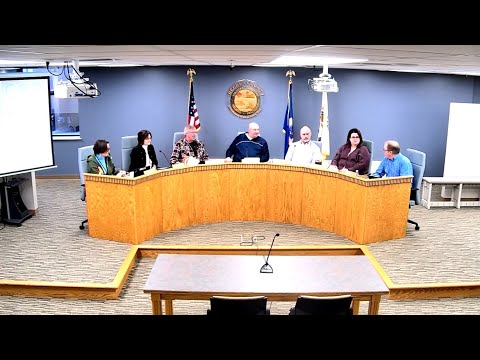
Becker County commissioners discussed the future of a storage building on county land near Dutton Locks that the Pelican River Watershed District has used for equipment and boats since the 1970s. The exchange on the agenda followed watershed representatives’ request to clarify ownership, past funding and options for relocation or county reuse.
The watershed’s representative, Tara (Pelican River Watershed), told commissioners, “in researching the history, what I was able to, I believe, decipher was that some time ago, the land is owned by the county. The building was built by, by Pelican Watershed.” She said the shed currently holds two vehicles, a boat and monitoring equipment and that the district is willing to “enter into some sort of, you know, negotiations about moving off of that site” if necessary, but said proximity to town and to the lab where samples are dropped off makes the site convenient.
County Administrator Carrie said the county needs a complete record of what money — if any — the watershed put into the land and building before deciding whether to fund relocation or other actions. “I think we need all the information that we have both have both have before we can do anything else,” Carrie said, asking staff to compile meeting minutes, resolutions and financial records related to a 1976 purchase and subsequent documents. Commissioner Phil and others pressed for clarity on whether the watershed contributed funds toward the land purchase or improvements.
Discussion by commissioners focused on two practical questions: whether the building is structurally sound and who paid for the property. Commissioners observed that the current pole-style shed is old, has a dirt floor and that pole rot below ground is common in such structures. Commissioners said if the watershed had contributed to the land or building costs, the county would need to consider a buyout or other arrangement.
The board did not approve any purchase, lease or relocation at the meeting. Instead, commissioners directed staff to obtain and compare county minutes, watershed meeting records and any grant documentation that would show what payments or grants were used to acquire the land and build or maintain the structure. Carrie said she would collect the documents and schedule follow-up discussions once the records were assembled.
What’s next: County staff will compile the watershed and county records about the 1976 transaction and later resolutions, and present findings to the commissioners for further direction. No timeline for action was set at the meeting.
Ending: The discussion left open multiple options — a purchase, a county-funded replacement structure, a long-term lease or a watershed-funded relocation — but commissioners said they would not move forward until the historical record and financial contributions are clear.