Get Full Government Meeting Transcripts, Videos, & Alerts Forever!
Get email alerts on the Gambling Funds topic
No spam. Unsubscribe anytime.
Chair outlines plan to direct historical‑horse‑racing 'breakage' to problem‑gambling fund; bill passed by for day
Summary
A bill that would allocate most 'breakage' from historical horse‑racing pari‑mutuel pools to the state's problem gambling treatment and support fund was discussed and passed by for the day; sponsors said 70% of that category's breakage would go to the fund and 30% to the racing benevolence fund.
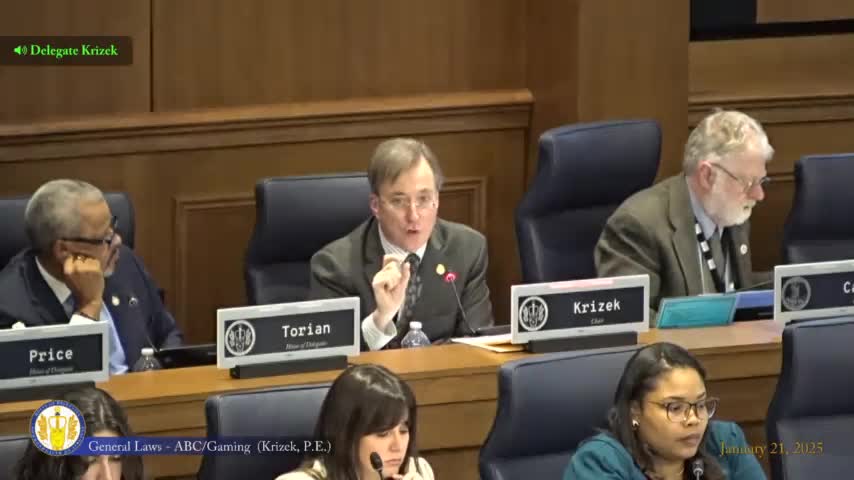
A House subcommittee discussed House Bill 2166, which would change how so‑called "breakage"—small leftover fractions of pari‑mutuel payouts—is distributed for historical horse racing. The chair explained the bill would leave live and simulcast racing breakage unchanged but would redirect 70 percent of historical horse‑racing breakage to the state's problem gambling treatment and support fund and 30 percent to the racing benevolence fund.
The presenter explained the mechanics: pari‑mutuel pools sometimes produce fractional penny payouts; current practice leaves fractions ("breakage") with the operator. The bill would not affect live racing breakage but would reallocate the breakage generated by historical horse racing machines, which the presenter said could total roughly several hundred thousand dollars (back‑of‑envelope estimate) and could provide a recurring revenue source for treatment programs.
Sponsors said the change would support the problem‑gambling fund established by prior legislation and would not cut existing benevolence support for racing labor and track programs, which would keep a 30 percent share. Committee counsel and staff continued to refine cross‑references and technical language, and the chair asked to pass the bill by for the day so final draft language could be posted for review. The committee moved to pass HB 2166 by for the day; the clerk recorded the motion and the transcript shows the motion carried as a "pass by for the day."