Get Full Government Meeting Transcripts, Videos, & Alerts Forever!
Get email alerts on the Regional Dispatch topic
No spam. Unsubscribe anytime.
Regional 911 board describes breakdown in talks with City of Spokane; board cites governance, finance and service-level disputes
Summary
Spokane Regional Emergency Communications (SREC) board members and regional chiefs told the county commissioners that negotiations with the City of Spokane over region-wide dispatch governance and finance collapsed after months of talks; SREC members cited governance structure and reserve-fund usage as central sticking points.
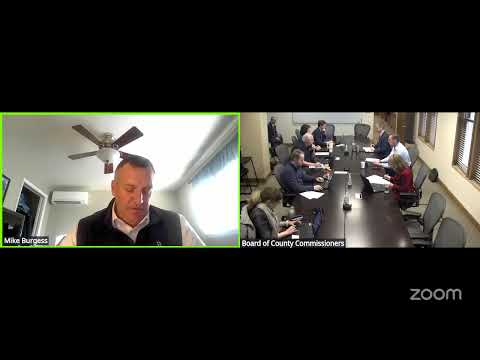
Spokane Regional Emergency Communications (SREC) board members briefed Spokane County commissioners Jan. 21 about a breakdown in regionalization talks with the City of Spokane.
Cody Robock, board chair and fire chief (Spokane County Fire District 3), told the board that SREC had sought clarity this year on three main topics — governance, service-level agreements (SLAs), and finances — and that the board ultimately determined the city’s proposals would risk placing a single jurisdiction in a controlling position or drawing down SREC’s reserve balance in a way other member agencies opposed.
Robock summarized SREC history: the regional center was formed in 2018 to address interoperability and service consistency countywide. The City of Spokane previously joined SREC for its fire dispatch function (a hybrid model in 2022), and SREC leaders said they had worked to accommodate the city’s requests while protecting regional equity. Robock said the board had supported city participation on operational terms but would not recommend governance changes that gave one agency dominant voting power.
Financial discord: County and SREC officials said roughly $20 million sat in reserve at SREC; county officials said a large portion of that fund balance was transferred from the county at SREC’s creation while additional amounts accumulated from underspend and higher-than-projected sales-tax receipts. SREC board members said the city proposed drawing down reserves to eliminate user fees; many other member agencies opposed using reserves or incurring debt that would shift obligations to smaller agencies.
Legislative pressure: Commissioners were told that a separate piece of legislation (House Bill 1258) proposing to tie 911 excise-tax apportionment to call volume increased urgency and prompted SREC to seek a clear county position. Robock said the board felt forced to act after multiple extensions and the introduction of the bill.
Next steps: Commissioners asked staff to schedule follow-up discussion and legal review and to build a timeline of deadlines — especially the next ballot window for reauthorization of related taxes — before determining further action. Robock and other SREC members said they remain open to renewed negotiations but that the board had moved to ensure continuity of services and protect other agencies’ interests.
Ending: Commissioners and SREC participants agreed to continue discussions next week, request additional legal analysis, and map key decision dates for the emergency-communications ballot timeline.