Get Full Government Meeting Transcripts, Videos, & Alerts Forever!
Committee presses nominee on permitting, Sackett decision and cooperative federalism
Summary
Senators asked Lee Zeldin how he would implement Supreme Court guidance on the scope of Clean Water Act jurisdiction, approach Waters‑of‑the‑U.S. (WOTUS) definitions post‑Sackett, and reform permitting processes to reduce delays while maintaining durable, legally defensible actions.
Senators from largely rural and agriculture states pressed Lee Zeldin on how the EPA should implement Supreme Court rulings and coordinate with states.
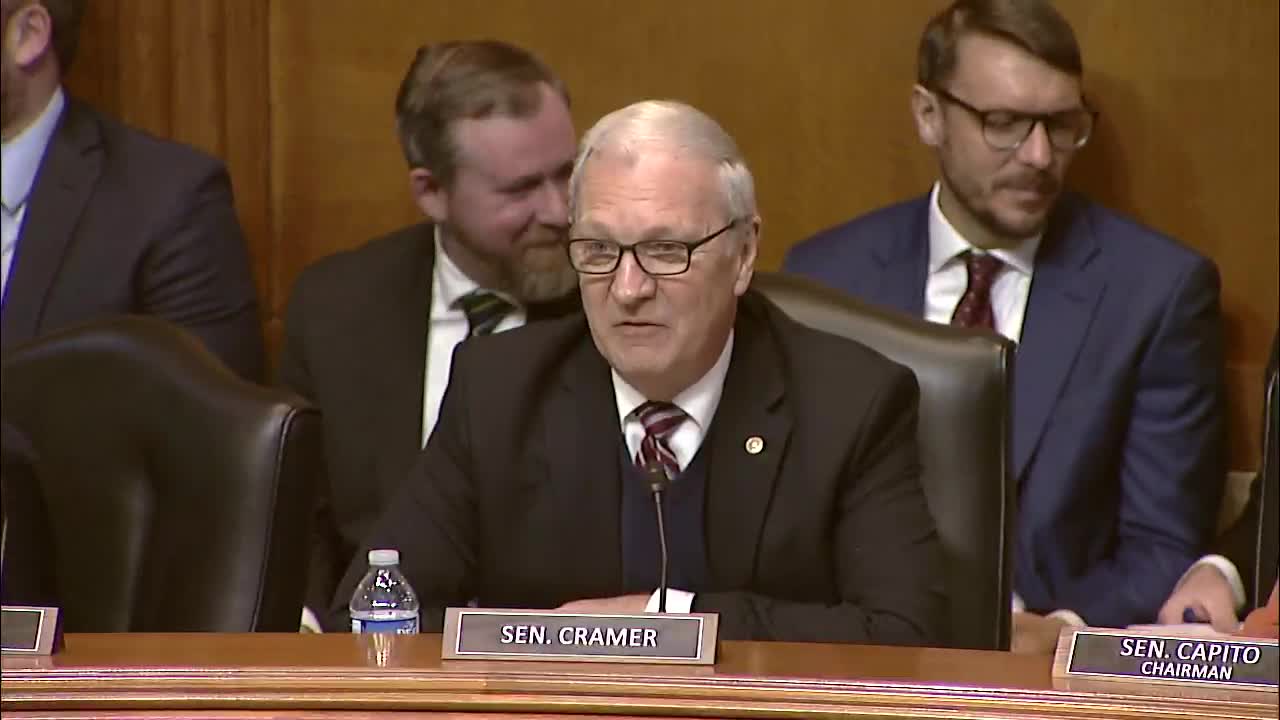
Senator Kevin Kramer and others asked whether the Sackett decision requires EPA to narrow federal jurisdiction over waters and whether Zeldin would pursue a durable, state‑centric rulemaking that recognizes state primacy. Zeldin said he would follow the law…
Already have an account? Log in
Subscribe to keep reading
Unlock the rest of this article — and every article on Citizen Portal.
- Unlimited articles
- AI-powered breakdowns of topics, speakers, decisions, and budgets
- Instant alerts when your location has a new meeting
- Follow topics and more locations
- 1,000 AI Insights / month, plus AI Chat