Citizen Portal
Sign In

Tariffs, China and "pillar 2" taxes: senators press nominee on trade strategy and global tax rules

2136523 · January 16, 2025

Loading...

AI-Generated Content: All content on this page was generated by AI to highlight key points from the meeting. For complete details and context, we recommend watching the full video. so we can fix them.

Summary

Senators probed Scott Bessent on the administration's threat of broad tariffs, use of tariffs as negotiation tools, and international tax rules known as Pillar 2; senators also asked about carbon tariffs and R&D/production tax incentives.

Trade and tariffs consumed broad discussion during Scott Bessent’s hearing. Democrats and Republicans both asked whether tariffs would land on American consumers and how Treasury would coordinate with trade and national security objectives.

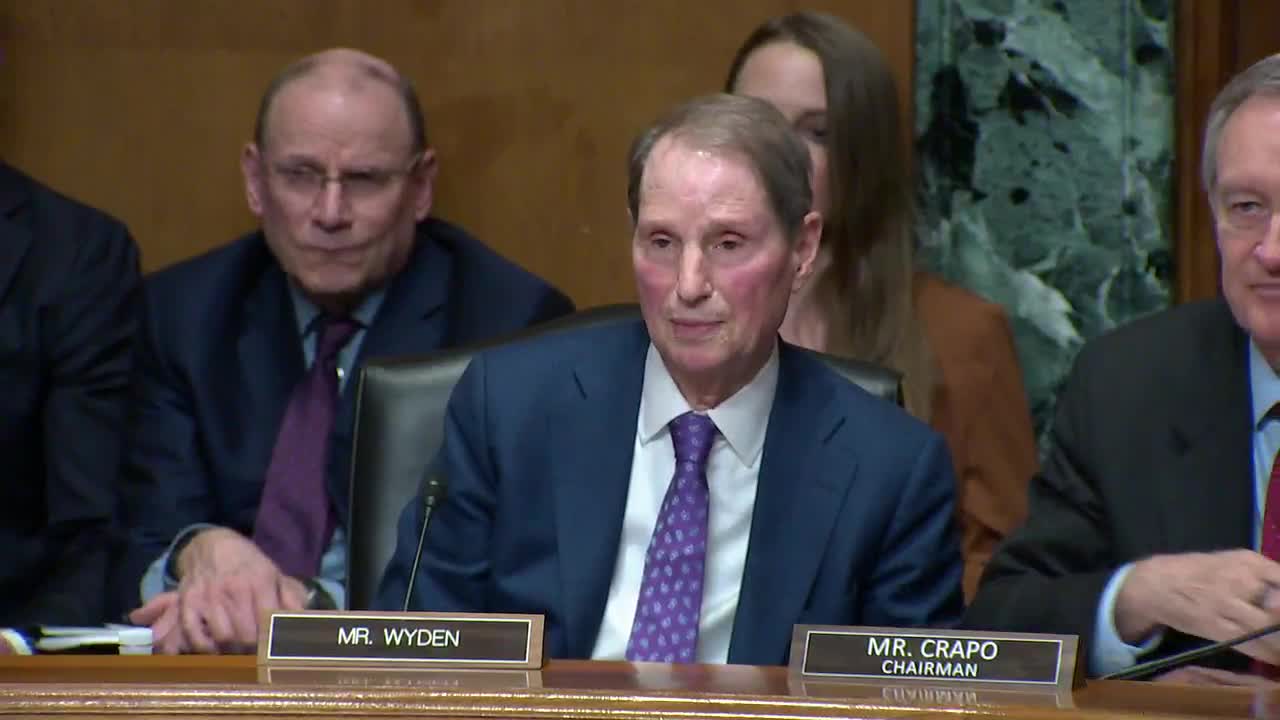
Ranking Member Ron Wyden warned that across‑the‑board tariffs would be passed through to U.S. workers and small businesses; Bessent responded with an economic description arguing pass‑through is not complete and noted exchange‑rate effects and foreign price responses. Senators such as Lindsey Graham, Bill Cassidy and Susan Collins (via questions) discussed tariffs as a negotiating instrument and as a remedy for unfair trade practices, with some supporting targeted measures for carbon‑intensive imports or other sector‑specific levies.

Republican senators also sought firm assurances that Treasury would oppose elements of the OECD’s Pillar 2 global minimum tax if it were implemented without congressional involvement. Senator James Lankford pressed Bessent to maintain that U.S. tax policy is a sovereign matter and to engage the committee on changes that might affect American businesses. Bessent agreed he would work with senators and indicated any unilateral implementation by other countries that harmed U.S. companies would be a “grave mistake.”

Several senators raised tax incentives and manufacturing credits in the context of competitiveness: Senator Maggie Hassan and others urged restoring immediate R&D expensing and preserving production tax credits such as the manufacturing (45X/45Z) credits discussed by Senator Cortez Masto and others; Bessent said he would study those provisions and follow up.

Why it matters: Tariffs, carbon‑adjustment measures and international tax rules can raise consumer prices, affect export markets and reshape competitiveness. Treasury’s approach will influence whether U.S. policy favors broad tariffs, targeted countermeasures, or cooperative international tax solutions.

Ending: Bessent said he would work with senators on tariff strategy and on international tax matters and would return with detailed positions if confirmed. Senators asked for further written assurances and consultations before any major unilateral policy shift.