Lifetime Citizen Portal Access — AI Briefings, Alerts & Unlimited Follows
Senators press nominee Bessent on extending 2017 tax cuts and deficit risks
Loading...
Summary
Committee Republicans urged Scott Bessent to support making the 2017 Tax Cuts and Jobs Act permanent to avoid a multi‑trillion dollar tax increase, while Democrats warned of distributional impacts and insisted on addressing deficits and fairness.
Scott Bessent faced sustained questioning about the 2017 Tax Cuts and Jobs Act (TCJA) and the fiscal consequences of either extending or allowing its provisions to expire.
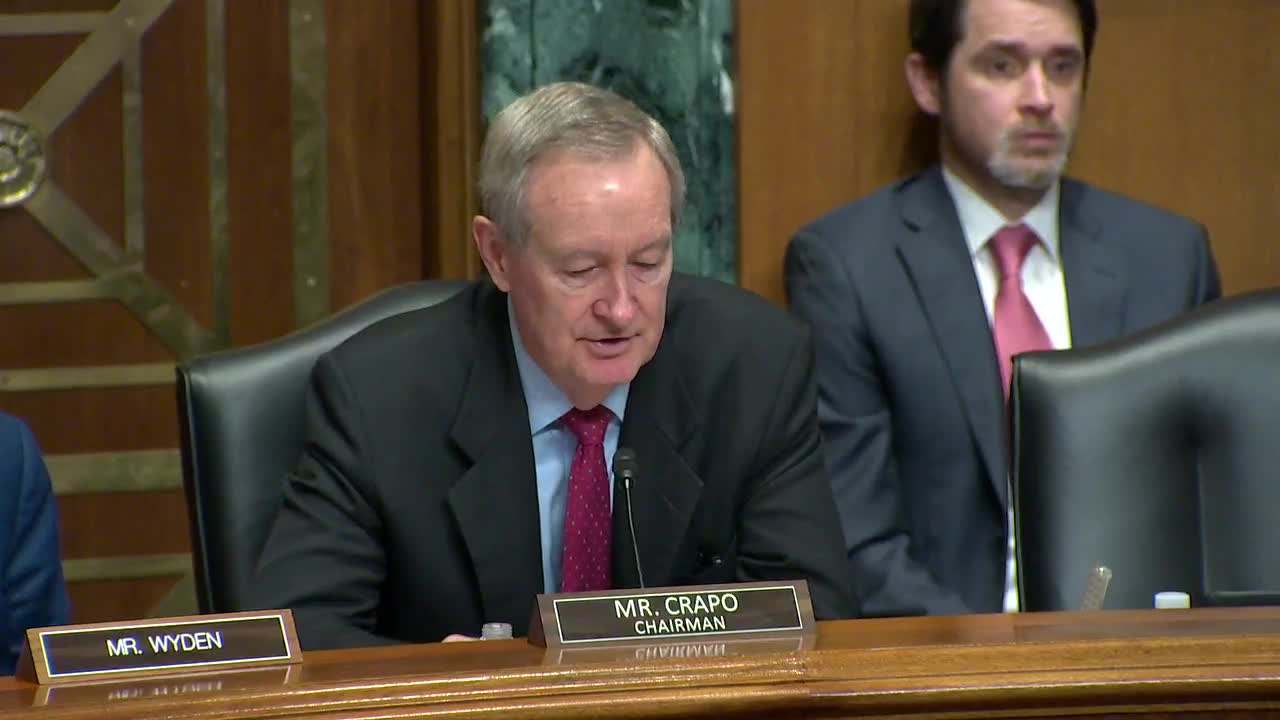
Republican senators, including Chairman Mike Crapo and Senator Mike Daines, emphasized the risk of a multi‑trillion dollar tax increase if TCJA provisions lapse and pressed for permanency to provide certainty to households and pass‑through businesses. Crapo asked Bessent about preventing a “tax increase” tied to expiration; Bessent described extension of pro‑growth tax policy as “the single most important economic issue of the day” and warned that letting cuts lapse could trigger a “gigantic” middle‑class tax increase.
Democratic senators, led by Ranking Member Ron Wyden and Senators Elizabeth Warren, Bernie Sanders and Tina Smith, countered that the TCJA’s benefits were concentrated among high earners. Wyden and others pressed Bessent on whether the wealthy currently pay less than workers and whether the tax code treats wages and wealth differently. Senators also raised the magnitude of the fiscal gap and said deficit reduction must be balanced against fairness and spending choices.
The committee heard competing budget figures cited in the hearing: the potential tax increase from TCJA expirations was discussed repeatedly in the range of about $4 trillion to $4.6 trillion as stated by different participants; senators also cited prior CBO and third‑party estimates when debating growth impacts. Bessent and Republican senators argued extension would support GDP growth and small‑business optimism; Democrats pushed back that the distributional effects of past tax cuts had heavily favored high‑income households.
Why it matters: Congress must decide whether to extend expiring provisions ahead of the calendar‑year deadlines; Treasury leadership will play a central role in advising the White House and Congress on revenue, growth and distributional impacts.
Ending: No congressional decision was made at the hearing. Senators on both sides signaled that the TCJA debate will be central to the committee’s 2025 agenda and that they will press Treasury for data and scoring on the fiscal and distributional consequences of proposals.