Get Full Government Meeting Transcripts, Videos, & Alerts Forever!
Get email alerts on the Contracts topic
No spam. Unsubscribe anytime.
Board approves contract extensions for relocatables after discussion of spending authority and lease timing
Summary
The Board approved items M1–M9 and separately approved M6 and M7, which extend spending authority and leases for relocatable classroom units for five months while the district rebids contracts. Board members asked about funding sources and long‑term plans to reduce reliance on relocatables.
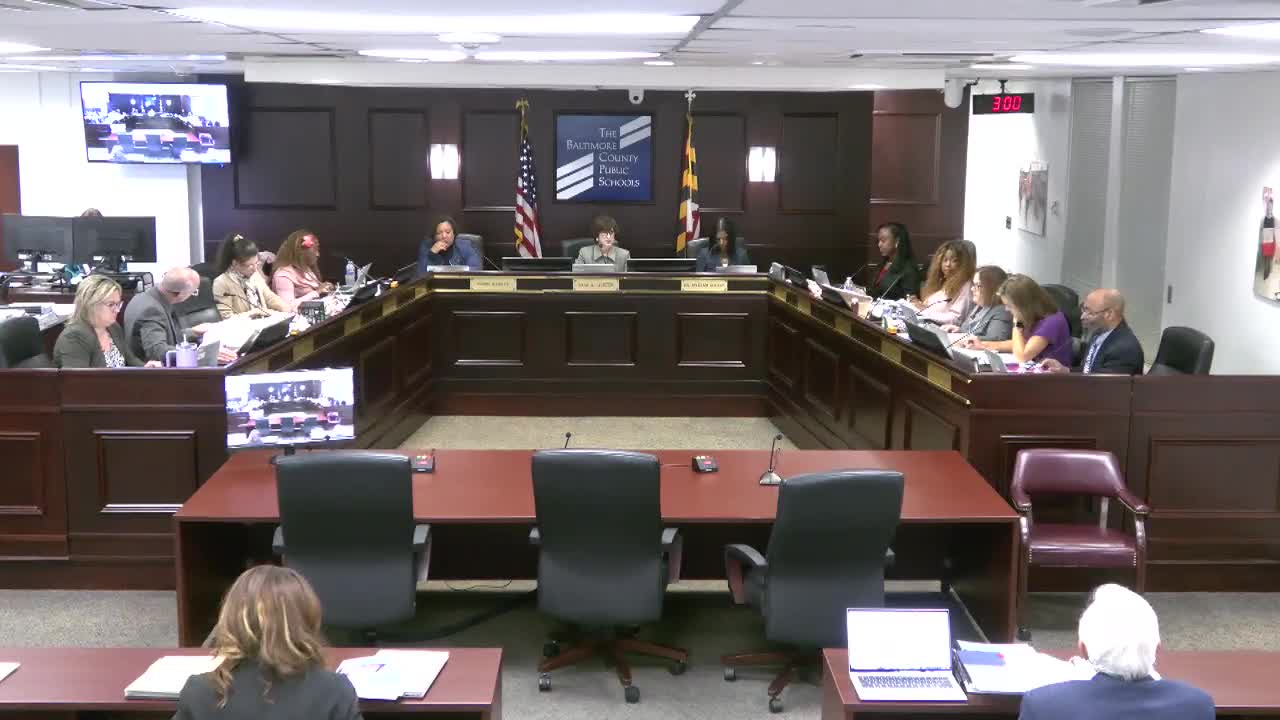
The Board of Education approved the building and contracts committee recommendations for contract awards on Jan. 14, including two separated items that extend spending authority and lease contracts for relocatable classroom units.
Chair of the building and contracts committee, Mr. Young, said items M1 through M9 were forwarded to the full board. The board voted to approve M1–M5 and M8–M9, then took up separated items M6 and M7, which were discussed and approved after questions from Board member Miss Domonowski and others about whether the extensions signaled growing need or were a short‑term measure to allow rebidding.
District staff and facilities director Chris Roberts told the board relocatables are used for capacity relief in overcrowded schools and for short‑term needs such as prekindergarten expansion. Staff said the five‑month extensions give time to rebid contracts rather than immediately commit to long multi‑year leases. The district also explained that while capital projects reduce long‑term relocatable needs, some relocatables become near‑permanent because of programmatic needs at individual schools.
Board member Miss Henn asked about state funding that supports relocatable needs; staff said there is a separate state funding stream for relocatables but did not provide the exact fund name during the meeting and offered to follow up. The district confirmed that day‑to‑day classroom relocatables are typically funded from the operating budget while larger modular units tied to capital projects may be funded by capital dollars.
The board approved the motions by roll call; the items passed with recorded "yes" votes from members present. The contracts committee will proceed with rebidding and the facilities office will continue inventory planning to reduce long‑term reliance on relocatables as capital projects deliver permanent seats.
Ending: Board members asked staff to report back on funding sources and to explain how relocatables fit into the capital improvement plan and state funding streams when the rebid timeline is set.