Get Full Government Meeting Transcripts, Videos, & Alerts Forever!
Get email alerts on the Housing topic
No spam. Unsubscribe anytime.
Minnesota Housing officials tell Senate committee they moved nearly $2 billion in FY2024 and are implementing 2023 program investments
Summary
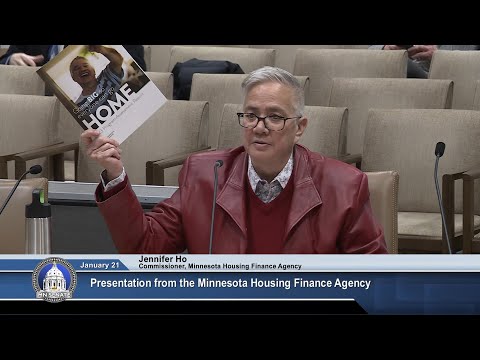
Minnesota Housing Commissioner Jennifer Ho told the Senate Committee on Housing and Homelessness Prevention that the agency moved just under $2 billion in federal fiscal 2024 to assist more than 73,600 households and is actively implementing multiple programs the Legislature funded in 2023.
Minnesota Housing Commissioner Jennifer Ho told the Senate Committee on Housing and Homelessness Prevention that the agency moved just under $2 billion in federal fiscal 2024 to assist more than 73,600 households and is actively implementing multiple programs the Legislature funded in 2023.
The update, delivered at a committee meeting that began with member introductions and a remembrance of the late Senator Keri Dziedzic, outlined how the finance agency allocates capital, what it does not do, which newly funded programs are in various stages of rollout, and where the agency still needs time to stand up contracts and RFPs. "Housing is foundational to a full life and a thriving state," Ho told committee members, adding that the agency "equitable[ly] collaborate[s] with individuals, communities, and partners to create, preserve, and finance housing that is affordable." She said, "nobody wants unaffordable housing."
Why it matters: senators on the committee repeatedly framed this briefing as foundational to forthcoming budget negotiations and to local projects that depend on Minnesota Housing financing. Committee members asked detailed questions about timelines, geographic distribution of awards, and specific programs for manufactured-home communities, seniors, and first-time homebuyers.
Major figures and program status
- Agency scale: Ho said Minnesota Housing moved nearly $2 billion in federal fiscal year 2024, assisting more than 73,600 households. By dollars, the agency's largest category was home-buying financing—more than $1.2 billion that served over 5,000 households.
- 2023 appropriations and selections: Ho said Minnesota Housing announced what she called the agency's largest single selection round in December (about $348 million), creating roughly 1,300 homeownership opportunities. She described a December 2023 package that funded single-family, multifamily, and manufactured-home-community projects and a separate 2024 selection that totaled about $191 million and included roughly 587 single-family homes and almost 1,000 rental units. Ho said roughly 45–62% of recent competitive awards have gone to greater Minnesota depending on program and year.
- Manufactured-home communities and infrastructure: The agency has prioritized infrastructure (water, sewer, roads) in manufactured-home communities. Ho said the 2023 selection funded 19 communities with about $21.5 million; 2024 awards included nine communities and additional funding. She described eligibility that includes cooperative purchases by residents as a priority.
- Public housing preservation (POP) and workforce housing: Ho said the agency awarded about $39.5 million from the public-housing preservation program (POP) to preserve about 1,641 apartments and townhomes statewide and is preparing a second round. The Greater Minnesota Workforce Housing Development Program received about $38.6 million for 27 projects representing 832 units; staff reported demand far outstripped supply for that program (48 applications requesting about $99 million against the award pool).
- Down-payment assistance and homeownership results: Ho said the agency stood up a first-generation down-payment assistance program in 2024 with roughly $50 million and operated it for about nine months. She said 80% of households served by that first-generation program identified as Black, Indigenous or persons of color, and that Minnesota Housing’s lending goes to homebuyers of color at about 42%—higher than the industry average Ho cited (23%).
- "Bring It Home" rental assistance program and timelines: The Bring It Home rental assistance program (a legislatively created program modeled on housing choice vouchers) remains in development. Ho said Minnesota Housing has an intent-to-apply window open and is working closely with potential administrators and HUD partners. She said jurisdictions may choose to operate the program as a HUD "look-alike" or make local adaptations; those choices affect timelines and operational systems. Ho warned that award-to-operational timelines will vary by administrator and jurisdiction.
- Emergency rental assistance estimate: Ho said agency estimates produced for the Legislature indicate roughly 240,000 renter households statewide have incomes at or below 200% of the federal poverty guideline and many are cost-burdened; she said the agency's estimate for fully covering unpaid rent statewide was on the order of hundreds of millions annually and specifically cited an estimated need of about $350 million per year to address unpaid rent (agency methodology described in the legislatively requested report).
Operational notes and constraints
Ho emphasized that Minnesota Housing is a financing institution that issues bonds and administers federal and state programs; it does not build, own, or directly operate housing, does not administer Section 8 housing choice vouchers, and does not set or enforce local zoning. She described a consolidated RFP process that combines multiple "flavors of money" (state bond funds, federal sources, tax credits) so project sponsors can apply once and be matched to the best available funding package, and she said most competitive pools remain oversubscribed—"we end up having to say no to about 3 out of every 4 proposals that come in the door," she said.
Ho also said 70% of the 2023–25 biennium funding is already committed, with varying implementation timelines: some legislatively named grantees have executed contracts, some RFPs are still being drafted or evaluated, and some awards will cascade into later go-live dates depending on local administrative capacity.
Questions from committee members
Committee senators pressed for county-level or project-level breakdowns for programs such as down-payment assistance and asked for updates on North Country Cooperative Foundation contracts for manufactured-home community acquisition (Ho said the agency had executed a $10 million contract with that entity and would follow up with additional operational detail). Senators also asked for documentation of federal funding flows, program report archives, and for greater clarity on interest treatment for certain grantee-held funds; Ho said staff would provide follow-up details and pointed to the agency website and legislatively required reports.
What is not decided
No formal committee actions or votes were recorded at the meeting. Multiple programs remain in RFP or contract phases, and Ho repeatedly warned that award of funds does not immediately equal projects breaking ground or vouchers being available—administrative setup and local capacity will affect go-live dates.
Next steps
Ho said the agency will return to the committee in the coming weeks with the governor’s budget proposals and more detailed timelines. Committee members requested county- and grantee-level breakdowns for several recently closed programs and asked Minnesota Housing to provide RFP timelines and oversubscription figures as selections conclude.
Ending
Committee leadership closed the session after questions and said the commissioner and agency staff will be invited back as the session progresses to review the governor's budget and implementation steps for 2023 and 2024 appropriations.