Get Full Government Meeting Transcripts, Videos, & Alerts Forever!
Get email alerts on the Digital Policy topic
No spam. Unsubscribe anytime.
Committee debate on social‑media age limits: sponsors seek parental‑consent framework, civil‑rights groups warn of legal risks
Summary
Senate Bill 11 would require parental verification before children under 16 access account‑based social‑media platforms; supporters urged protection for minors, while the ACLU and others said the proposal raises First Amendment and practical enforcement concerns and similar laws have been enjoined in other states.
The Senate Judiciary Committee heard discussion of Senate Bill 11, which would require social‑media platforms to obtain verifiable parental consent before allowing users under a specified age to create account‑based profiles.
Sponsor Senator Patrick Bohachuk told the committee the bill’s aim is not to regulate content but to give parents a practical tool to supervise children’s social‑media access. “We’re trying to get our kids supervised in this new space,” the sponsor said, describing a stakeholder‑driven draft amendment that narrows the original bill and provides a 30‑day cure period for platform enforcement after a state‑led complaint.
Supporters framed the bill as a parental‑empowerment measure and an effort to reduce exposure to harmful online content. Alexander Mingus of the Indiana Catholic Conference said the proposal respects parental authority and responds to evidence linking social‑media use and mental‑health harms among youth.
Opponents, led by Chris Daley of the ACLU of Indiana, warned the committee that fundamentally similar laws in other states have been enjoined on constitutional grounds and that SB 11 would likely raise First Amendment issues. Daley said prior court rulings found parental‑consent provisions can operate as content‑based restrictions when they restrict access to platforms that also host constitutionally protected speech. He urged caution and said the state should consider alternative investments — for example, in mental‑health services, parental education or industry standards — rather than a law that could be quickly challenged and blocked.
Senators questioned practical enforcement details: how platforms will verify age and parental relationships, how to handle guardianship or split‑custody situations and whether commercial verification tools are adequate. Sponsor Bohachuk said the bill uses commercially available verification methods and would exempt certain non‑account content (for example, passively viewable videos on open websites) — the language in the draft amendment focuses on account‑based social‑media and not casual browsing.
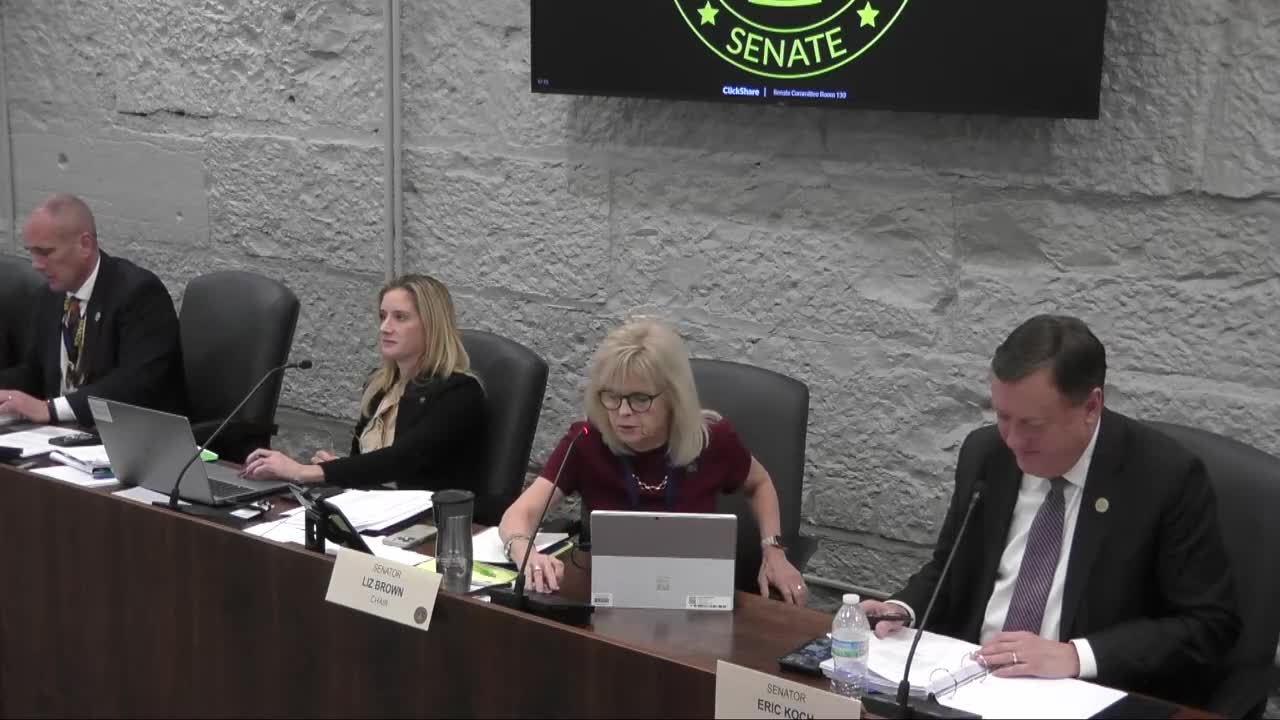
Chair Brown said the bill is a work in progress and that stakeholder meetings were held; she indicated the committee will continue discussion, and no final vote was taken during the session.