Get Full Government Meeting Transcripts, Videos, & Alerts Forever!
Get email alerts on the Education Scholarships topic
No spam. Unsubscribe anytime.
Scholarships and Grants program seeks funding for rural and underserved educator incentive and systems support
Summary
The Office of the State Board of Education’s Scholarships and Grants program requested $1.375 million for the rural and underserved educator incentive program and requested additional staffing funds to maintain scholarship databases and public interfaces; board director said performance reporting will be expanded.
Kevin Campbell, a budget and policy analyst with the Legislative Services Office, presented the Scholarships and Grants program budget, which the office of the State Board of Education administers.
Campbell told the committee that Scholarship and Grants administers five named programs including the rural and underserved educator incentive (also referred to in testimony as the Bridal and Underserved Educator Incentive Program), the Opportunity Scholarship, and Idaho Work Study. The program’s spending is driven heavily by trustee and benefit payments (about 99.5% of spending in the program), with roughly half a percent in personnel costs.
For fiscal year 2026, Scholarships and Grants requested $1,375,000 for the rural and underserved educator incentive program. The program also requested one software-engineer position (described in materials as needed to maintain and secure several public-facing scholarship databases and to address a material backlog of work). Analysts said an existing vacant FTP for a software engineer did not have sufficient funding to hire for the current market, so the program requested an additional appropriation.
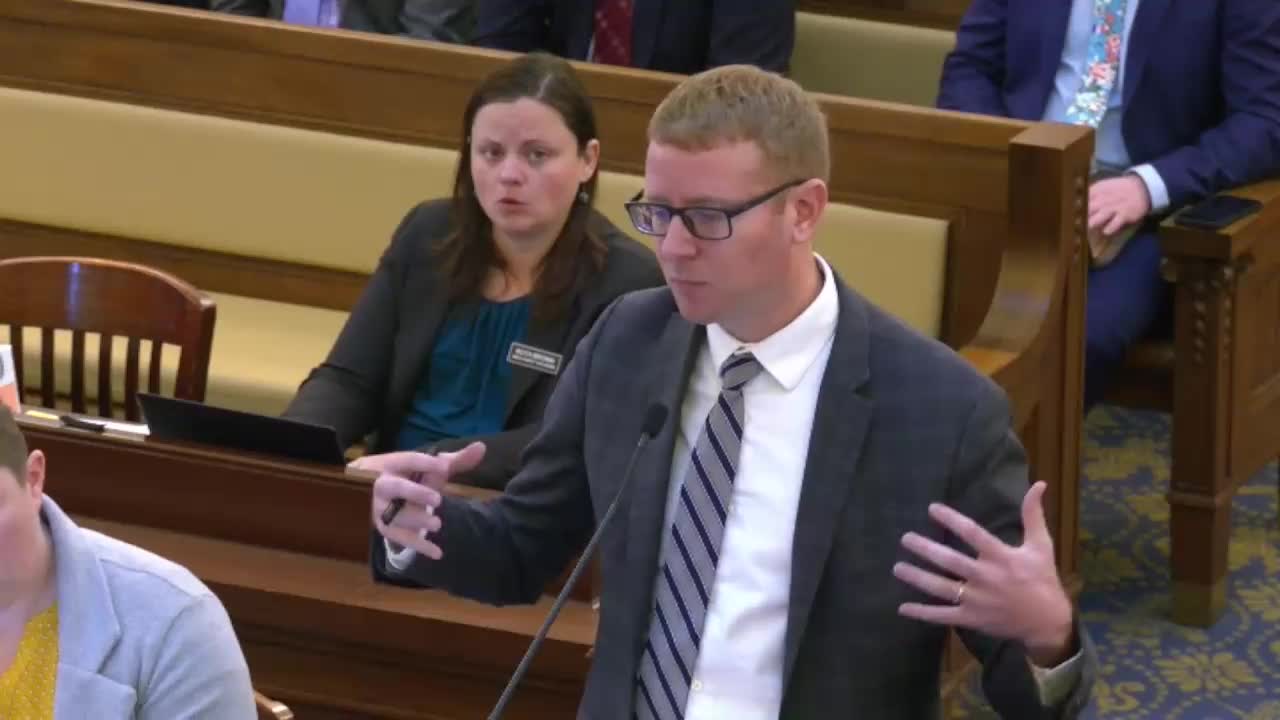
Josh Whitworth, Executive Director of the State Board of Education, said the board would expand its performance reporting and review outcomes, including recruitment and retention metrics for the rural and underserved educator incentive. Committee members asked for district-level breakdowns and retention data; Whitworth said he would provide the number of recipients by cohort and additional details to the committee.
Committee members also asked about the Opportunity Scholarship’s GPA requirement and whether the 2.7 minimum is restricting access. Whitworth said the 2.7 threshold had not been a primary limiter in current cohorts but offered to provide more detailed data on awardees’ incomes and academic performance.
No formal legislative action was taken during the hearing; staff committed to return data and performance measures on the rural incentive program and Opportunity Scholarship.