Get Full Government Meeting Transcripts, Videos, & Alerts Forever!
Get email alerts on the Psychiatric Hospitals topic
No spam. Unsubscribe anytime.
State hospitals accredited but rising civil-commitment costs push Health and Welfare to request one-time support
Summary
Department officials reported that all three state psychiatric hospitals are now accredited, enabling Medicaid billing, but the department asked the committee for a $2.6 million one-time general fund supplemental tied to civil-commitment expenditures and explained the 60-day Medicaid billing rule.
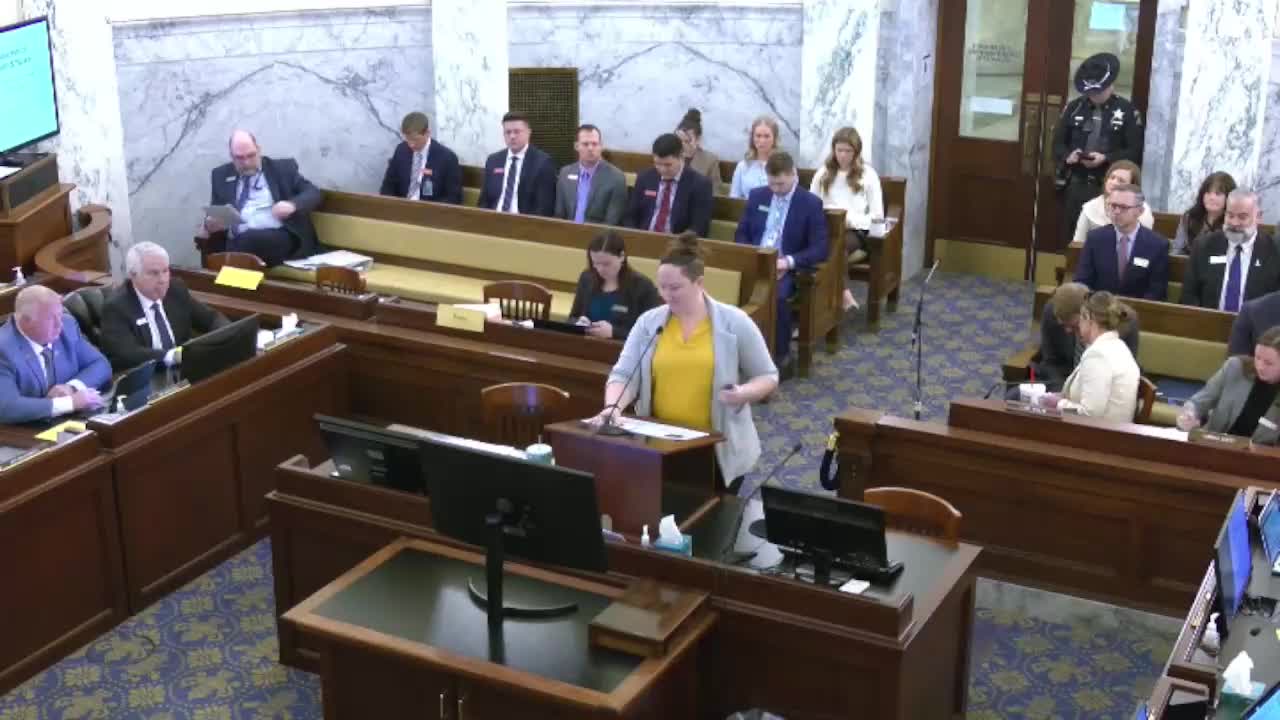
Alex Williamson, Legislative Services Office analyst, told the Joint Finance-Appropriations Committee that psychiatric hospitalization within the Department of Health and Welfare includes three state hospitals (north in Orofino, south in Blackfoot, west in Nampa) and community hospitalization funding for interim placement costs.
Williamson said a one-time fiscal-year 2025 supplemental request of $2,600,000 from the general fund is tied to increased costs for mental holds and commitments. She told the committee these costs stem from statutory changes in Senate Bill 1327 of 2022 that shifted responsibility for paying certain mental-hold expenses to the state.
Director Alex Adams confirmed that all three facilities are accredited, which allows the hospitals to bill Medicaid for eligible patient stays. Adams said State Hospital West has billed roughly $1.6 million and received about $1.3 million in receipts so far; State Hospital North was the most recent to receive accreditation and had not yet begun full billing activity at the time of the hearing.
Adams and analysts explained a federal billing rule the committee has discussed previously: Medicaid will reimburse for patient stays shorter than 60 days but will not reimburse for stays of 60 days or longer. Officials said the percentage of admissions extending beyond 60 days increased from about 17% to 37%, increasing state fiscal exposure because longer stays are not federally reimbursed.
Ross Edmonds, administrator of the department’s division of behavioral health, told the committee that while civil commitments themselves have remained fairly flat, demand driven by holds placed by law enforcement or healthcare professionals has grown and the largest increases have been in court-ordered restorations to competency. Edmonds said restoration-to-competency cases have increased roughly 600% over the last ten years and account for a growing share of state hospital bed use; he said State Hospital North had about 75% of its beds occupied by restoration-to-competency patients at the time of the hearing.
Committee members asked about staffing, vacancy rates and whether accreditation has produced general-fund savings. Adams said vacancy rates at the hospitals were generally below the agency average (State Hospital West about 0% vacancy, South 2.8%, North 11.5%) and that accreditation enables receipt authority to shift some costs to federal Medicaid receipts, reducing general-fund dependence going forward.
The department also requested transfer-exemption authority for psychiatric hospitalization similar to other divisions’ requests, to provide flexibility in covering population forecast and FMAP-related changes.
No formal committee action was taken during the hearing; department staff offered to provide follow-up figures and longer-term data at later briefings.