Get Full Government Meeting Transcripts, Videos, & Alerts Forever!
Get email alerts on the Pensions topic
No spam. Unsubscribe anytime.
Bill would direct gaming and internet sales taxes to reduce PERS unfunded liability
Summary
A bill that would dedicate excess charitable gaming revenues and streamlining/internet sales tax receipts to the state public employees retirement system (PERS) drew support from the gaming industry and county officials and questions about whether earmarking those general-fund dollars changes long-term budgeting.
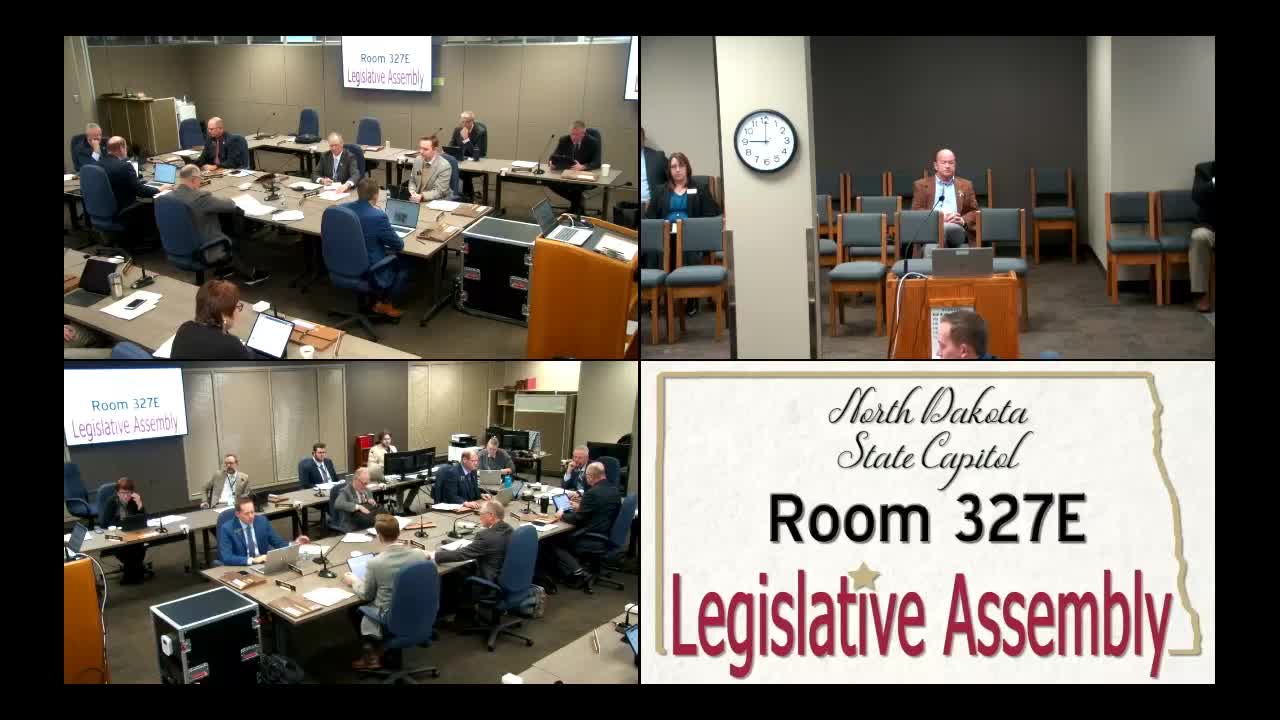
Representative Jason Doctor, sponsor of House Bill 1234, told the Finance and Taxation Committee he wants to direct certain existing revenue streams toward paying down the state’s PERS unfunded liability.
"We still have close to $1,900,000,000 in liabilities that us taxpayers have to pay," Representative Jason Doctor said during the committee hearing. He described two revenue sources he would target: excess charitable gaming receipts and so-called streamline (internet) sales tax collections.
Doctor said gaming revenue that now flows to the general fund after administrative expenses produces roughly "between 35 and 40,000,000 of biennium" and that the streamline sales tax produces "40 to 50,000,000 of biennium." Under his proposal, those excess amounts would be deposited into a dedicated bucket for PERS until the fund reached 90 percent funding, at which point the dedication would expire and the revenues would revert to the general fund.
Supporters who testified said the proposal would accelerate repayment of the pension liability. Scott Meske of the North Dakota Gaming Alliance said he and the industry "stand in support of House Bill 1234" but asked lawmakers to consider downstream effects, such as how a future tax-rate reduction for charitable gaming would be treated if the revenues are earmarked for pensions.
Aaron Burst of the Association of Counties told the committee the association supports the bill in concept because "the more money we can put into the PERS DB plan to offload any of the unfunded liability ultimately is good for county government and the employees." Burst added that counties want to be confident additional dollars will reach the fund.
Committee members pressed the sponsor and witnesses on whether dedicating these streams would change budgetary assurances to retirees and whether the same result could be achieved by simply transferring general-fund dollars. Representative Doctor said earmarking creates an assured revenue stream for future payments: "If we just said it was general fund ... they wouldn't have that insurance that they would have that money coming into the future." He also said the legislature can change allocations in later sessions.
The committee closed the hearing without a formal vote on the bill and moved to the next agenda item.
Ending: The committee did not act on House Bill 1234 during the hearing. Supporters described the bill as a way to speed reduction of the PERS unfunded liability; critics raised questions about budgetary flexibility and whether earmarking general-fund receipts changes long-term fiscal policy.