Get Full Government Meeting Transcripts, Videos, & Alerts Forever!
Get email alerts on the Zoning Protest topic
No spam. Unsubscribe anytime.
Senate shrinks protest threshold in zoning bill after floor amendment, keeps local veto higher
Summary
Senators adopted an amendment to Senate File 40 that raised the protest threshold from 50% down to 33% and required a two-thirds vote by the governing body to override a protest; the amendment passed after floor debate on local control and development.
The Wyoming Senate on Jan. 20 passed a floor amendment to Senate File 40 that adjusts the thresholds for citizen protests of zoning regulation changes.
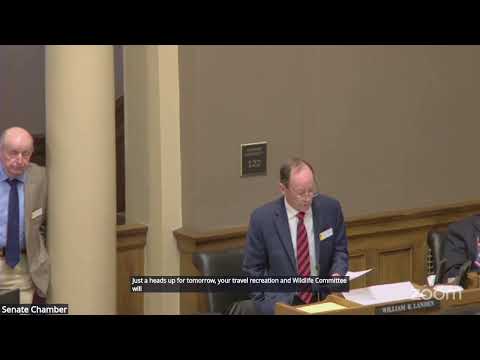
Senator Tyler Larson moved Amendment 1, which deletes a 50% protest threshold in the bill and replaces it with 33% and changes the override requirement to a two-thirds vote by the governing body. "I think we need to protect those, the minority out there," Larson said, explaining the intent to give neighbors more opportunity to contest land-use changes.
During floor debate Senators Jesse Gru and Brandon Driscoll cautioned that raising the threshold to two-thirds could make it much harder for councils — many of which are five members — to enact changes, risking inertia and making it easier for NIMBY opposition to block development. Senator Gru said the adopted changes could make it harder for developers and local governments to move projects forward; Driscoll said the amendment could encourage doing nothing on local land-use matters. Other senators, including Senator Rafais, supported Larson's compromise as a middle ground between current statute and the bill as originally drafted.
Senator Case called for a division when the voice vote was taken; the amendment passed following a standing/counting division. Senate File 40 was then ordered to third reading.
Why it matters: The amendment alters the mechanics for how many property owners must sign a protest and how high a governing body’s threshold must be to override that protest. Lawmakers framed the change as an attempt to balance private-property rights, local control and the need to facilitate development.
Next steps: The bill was read a second time and ordered to be read a third time; any further changes could be made on third reading.