Get Full Government Meeting Transcripts, Videos, & Alerts Forever!
Get email alerts on the Senior Services Transportation topic
No spam. Unsubscribe anytime.
Community Action Program seeks county support for transportation and senior nutrition services
Summary
Representatives from the Community Action Program (CAP) described transportation routes, Meals on Wheels and funding streams and asked for continued county support while describing state and municipal contributions and hiring challenges for drivers.
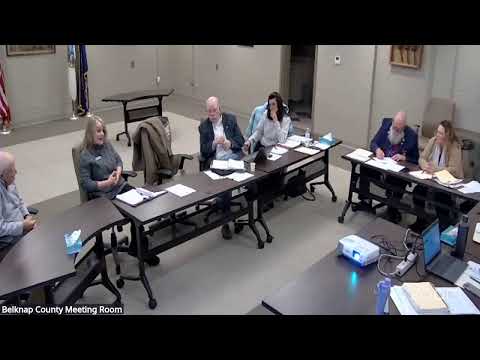
Representatives of the Community Action Program (CAP) presented the county commissioners with a request for continued funding for transportation services, Meals on Wheels and senior companion programs.
Terry Page, transportation director for CAP, told commissioners the organization runs a senior bus program and a 5311 fixed route (primarily Concord) funded in part by state units and other counties; CAP receives no town‑level operating support in most Belknap County towns and receives a modest operating award from the city of Laconia for senior kitchen support. Page and Heather O’Brien, CAP elder services director, explained driver recruitment and pay pressures: many drivers hold commercial driver’s licenses (CDLs) and local market rates for CDL drivers remain higher than CAP can currently offer.
Page said the senior bus (5310/5311 distinctions were explained) is primarily door‑to‑door for seniors, while the regional fixed route is supported with Merrimack County match for a Concord route that does not draw county funding from Belknap. Commissioners asked about ridership patterns and a claim from Laconia police that buses brought homeless riders into Laconia; CAP said route boarding and alighting data show most riders use the route for work trips to Concord and that CAP had not found evidence that the route increased homelessness in Laconia.
On Meals on Wheels and senior nutrition, CAP representatives said roughly half of their meals funding comes from federal sources and that the program leverages local fundraising; the city of Laconia was listed as a contributor (approximately $35,000 in the current materials). CAP described volunteer and staffing constraints and said drivers’ pay had been raised by some grants in prior years but remains below market for CDL drivers.
Commissioners asked about how CAP tracks mixed funding streams; Page said CAP tracks revenue sources separately by program and by funding unit and that state contracts typically pay on a per‑unit basis tied to the number of trips or meals provided. The presenters said CAP will continue to seek town, state and federal funds and continue fundraising to support services.
Outcome/next steps: CAP’s representatives concluded their presentation and thanked commissioners; commissioners did not record a formal vote at the hearing. CAP asked for continued county support under whatever final county budget is adopted.