Get Full Government Meeting Transcripts, Videos, & Alerts Forever!
Get email alerts on the State Budget Fte Vacancies topic
No spam. Unsubscribe anytime.
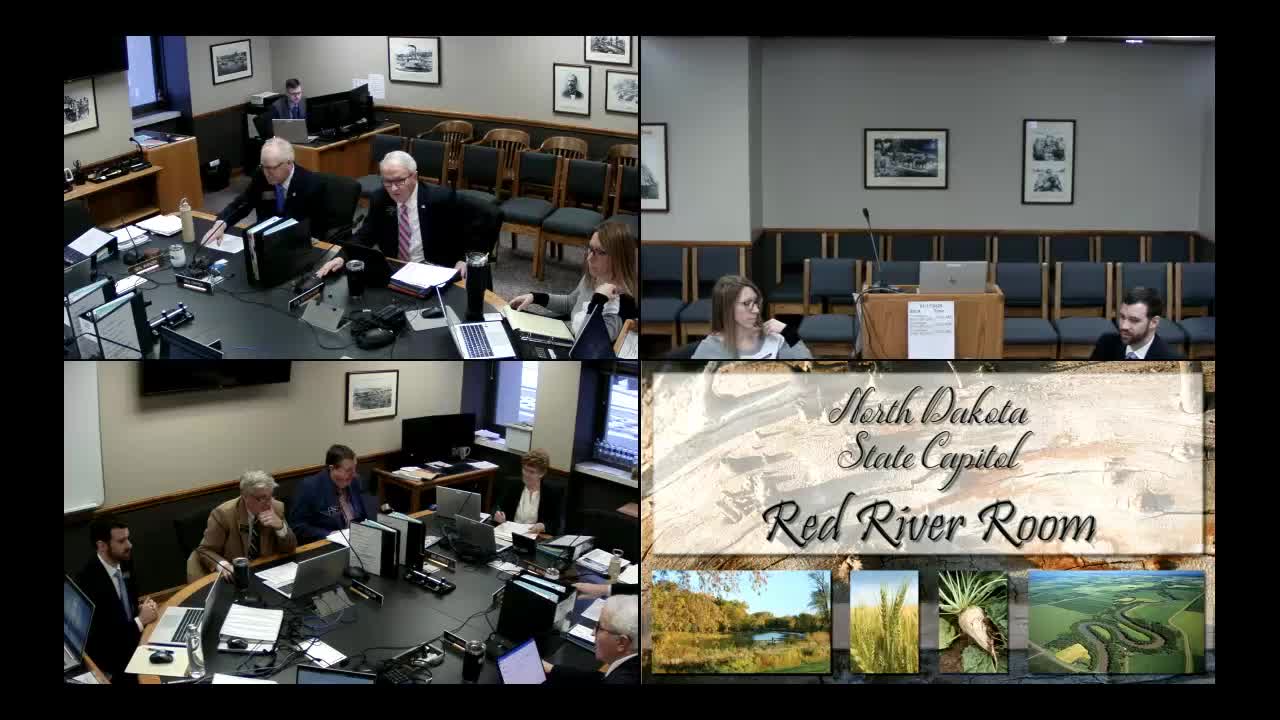
Legislative panel reviews roughly 780 vacant state positions; debates how to handle new-and-vacant FTE pool
Summary
Legislative appropriations staff told a Senate subcommittee the state had about 784 vacant positions as of Dec. 1, 2024, and lawmakers discussed whether to re-create a centrally managed 'new and vacant' FTE pool or restore funding to individual agency budgets.
Legislative staff told the Senate Appropriations Government Operations Division on Friday that the state had roughly 784 vacant full‑time equivalent positions as of Dec. 1, 2024, and that lawmakers must decide whether to restore the associated funding into a central pool or to each agency’s budget.
The vacant‑position snapshot was intended to give committee members a place to start as they review agency budgets ahead of the 2025 legislative session. "Almost 375 vacant positions as of December 1, 2024, and a total of $75,700,000 involved with that," said Adam, legislative staff, describing the Department of Human Services (DHHS) portion of the report. He said the full report showed about 784 vacant positions totaling roughly $162,000,000 across state agencies.
Why it matters: the committee must reconcile vacancies and proposed new positions when it sets authorizations and funding. If the Legislature restores vacancy savings into a centrally controlled new‑and‑vacant FTE pool — as it did in the previous biennium — agencies could draw on that appropriation later in the biennium. If instead the Assembly restores funds directly into each agency’s base, the flexibility and accounting look different and some savings may be realized as part of the beginning general‑fund balance for the next biennium.
Key points from staff presentation and committee discussion
- Scope and timing: The vacancy report is a snapshot compiled as of Dec. 1, 2024. Adam said agencies reported 784 total vacancies and that DHHS accounted for about 374 of those vacancies and just under half of the funding reflected in the report. He noted some positions listed as vacant had been filled after Dec. 1 or were reported as "onboarding" with imminent start dates.
- What the report shows: The worksheets list vacancies by agency, job title, months vacant, dollar amounts (salary plus base benefits), and agency notes about recruitment status. Staff said the dollar figures reflect base salary plus benefits, not executive compensation adjustments, and that they are shown by general fund and other funds (state and federal) on the worksheets.
- Pool mechanics and limits: Adam explained the prior biennium’s pooled approach was an aggregate appropriation authority, not a physical transfer of special‑fund dollars out of agency accounts. "It was purely appropriation authority," he said, adding that agencies could not draw from the pool in excess of the amount removed from their budgets originally. Committee members asked whether a pool can run out; staff said the pool was done in aggregate and that individual agencies were limited to the amounts previously removed from their budgets, which in practice sometimes produced differences between requested amounts and amounts actually available.
- Reconciling vacancies and new positions: Committee members pressed staff on how a large number of long‑term vacancies squares with requests for hundreds of new positions in executive budgets. Adam said there are several reasons the counts do not map one‑to‑one: the vacancy snapshot is a single date and may miss later fills; the positions requested in executive proposals may not be the same roles as current vacancies; some positions had funding but not FTE authorizations in the prior session; and agencies may convert long‑term temporary roles into permanent FTEs. He said historical underfunding of salaries and wages because of vacancies contributed to the prior creation of a new‑and‑vacant FTE pool.
- Example agencies and details: The presentation highlighted that ITD (the transportation department) had multiple vacancies (38 on its page) with a total vacancy cost in the millions, and that DHHS had the largest share of vacancies by headcount and dollars. Committee members flagged many entries that read "position filled, hasn't started" or "position posted, actively recruiting" and expressed concern about the large number of unfilled roles.
- Line‑item transfers and agency authority: Adam told the committee most agencies do not have broad line‑item transfer authority; transfers normally require approval by the emergency commission and budget section unless specific transfer authority is written into an agency’s budget or statute. He noted some programs (for example, related tax credits) have historically received flexible transfer authority by legislative action in prior bills.
Committee directions and next steps
- Legislative council staff said they are preparing the worksheet materials: stand‑alone purple sheets to reflect what the second executive budget (the "Armstrong" budget) proposes, green sheets for the other executive budget (the "Bergen" set), and a supplemental comparison (long) sheet that will show both executive proposals side‑by‑side with the legislative base. Staff told members they would work to have updated purple sheets and supplemental long sheets available so divisions can review agency budgets next week.
- No formal motions or votes were taken. Several senators said they would wait for the committee chair, full appropriations direction on compensation and the base forecast (expected at Monday’s full committee meeting) before moving budget actions.
Context and cautions
- The vacant‑position report is compiled once per biennium for session preparation; historical reports are available online, and staff noted the total count has been in a similar range in prior reports. The report is a planning tool: committee members were advised to follow up with agencies on long‑term vacancies before deciding to remove authorizations or funding.
- Staff stressed the difference between showing money "added back" into agency executive budgets and the legislative base. Executive recommendations can include adding previously removed vacancy funding into each agency’s budget; but the legislative base does not by default include those additions until the Legislature acts.
What committee members said
Senators asked detailed questions about the 17‑month line items (whether they represented newly authorized positions that had not yet started), how pooled and individual agency limits worked, and what unused funds become if not drawn. Adam replied that unused savings generally become part of the beginning general‑fund balance for the next biennium unless the Legislature directs otherwise.
Bottom line
The committee received a vacancy snapshot that shows hundreds of unfilled positions and tens of millions of dollars in associated base funding. Lawmakers must decide whether to rebuild a centrally managed new‑and‑vacant FTE pool — and, if so, what rules and limits should apply — or to restore funding directly into agency budgets and address long‑term vacancies on an agency‑by‑agency basis. Staff will provide updated worksheets and comparison materials to the committee ahead of Monday’s work sessions so members can begin line‑by‑line review.