
Residents press council on smart water meters and ARPA spending; city staff says project paid with ARPA funds
Get AI-powered insights, summaries, and transcripts
Subscribe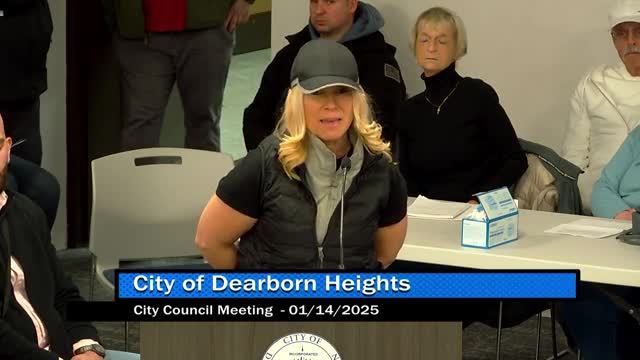
Summary
Two residents asked the council why the city spent ARPA funds on smart water meters and whether residents had been consulted. City staff said the project used ARPA funding and grant sources and explained the meters are intended to improve billing accuracy and replace aging hardware.
Two residents raised concerns during public comment about a city project to replace water meters with “smart meters,” saying they feared health effects and questioned whether the city should have used ARPA funds for the work.
Michelle Green told the council she believes smart meters have “detrimental side effects to everyone” and asked how much the project cost and whether residents voted on it. Green also raised broader questions about 5G antennae in the city and requested a study of possible health impacts.
City staff responded during the public comment period. A council member answered that the smart meter project was funded with American Rescue Plan Act (ARPA) funds, explaining the city received a $24 million ARPA allocation and used a portion — described in the meeting as $7 million — for meter replacement. Staff said the city replaced aging meters that were no longer serviceable and that the project was intended to improve billing accuracy and avoid multi‑month catch-up billing.
The city explained the meters will allow more frequent reads and reduce large, multi‑month bills that have previously appeared to residents. Staff said the meters replace equipment that was 15–20 years old for which parts were no longer available.
Council members and staff also encouraged residents with health concerns to submit contact information and asked staff to follow up. One council member suggested the city should consider a study or a community education session to explain how the meters work and what data they transmit.
The meeting did not produce a directive to halt the meter project or to reallocate ARPA funding. Instead, staff agreed to provide more public information on the project’s funding, goals and timeline. Residents were told they could file reports and receive follow-up from ordinance or the relevant department.