Get Full Government Meeting Transcripts, Videos, & Alerts Forever!
Get email alerts on the Fuel Station topic
No spam. Unsubscribe anytime.
County divided over $1.9M fueling station project as commissioners weigh payback and procurement options
Summary
Commissioners revisited a December approval to build a county fueling station after contested payback estimates and questions about bid strategy and whether bidding fuel differently could capture similar savings without construction costs.
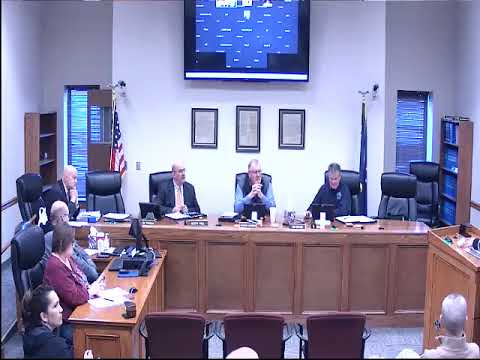
Boone County Commissioners reopened discussion about a proposed fueling station and bulk-fuel purchase plan after the project — previously approved in December — drew questions about cost, payback and procurement strategy.
Staff and commissioners discussed competing payback estimates. Project quotes for construction of on-site tanks and canopy were presented in the meeting; construction costs discussed in transcript total roughly $1.94 million (design and site costs discussed separately). Estimates of annual fuel savings cited in public reporting ranged from about $48,000 to $130,000 per year depending on assumptions about per‑gallon savings and delivery method. Using staff-calculated figures, payback ranged from about 19 years in an optimistic scenario to more than 50 years in a conservative one; after factoring in design and ongoing maintenance, earlier favorable payback estimates lengthened substantially.
Commissioners and department staff discussed alternatives to construction: rebidding the county's fuel purchases to obtain tanker-load pricing or smaller, more frequent competitive solicitations so the county could “play the market” rather than lock into a single annual gallon estimate. Staff said the county currently purchases fuel through a card system and sometimes pays pump price; using tanker loads and on-site storage could yield savings if markets and delivery schedules are managed actively.
Opponents cautioned that building the station commits the county to large sunk costs and potential cancellation penalties because materials and tanks had already been ordered under 2024 quotes. Some commissioners and the sheriff expressed concern about the county entering the fuel‑retailer business and warned that the county could realize marginal savings while taking on construction and maintenance risk. Supporters argued the station would centralize fueling for sheriff, highway, health and ambulance fleets and improve usage tracking.
Hagerman (contractor) had begun ordering long‑lead materials but had not started site work; commissioners directed staff to verify the cost and penalties associated with cancelling or pausing the contractor's work and to return with additional data. The board agreed to defer a final decision until the next meeting to allow staff to produce detailed cost breakdowns, confirm what materials have been purchased, and present updated bid‑versus‑construction payback scenarios.
Commissioners stressed the need for comparable bidding approaches if staff were asked to return with rebid options, including definitions for tanker loads versus tank-wagon deliveries, bid durations and how the county would manage overage/underage relative to contracted gallon amounts.