Get Full Government Meeting Transcripts, Videos, & Alerts Forever!
Get email alerts on the Board Of Adjustment Docket topic
No spam. Unsubscribe anytime.
Board of Adjustment approves several variances and home‑sharing renewals, delays storage and downtown sign requests
Summary
At a mid‑January meeting, the Oklahoma City Board of Adjustment approved multiple zoning variances and renewed several home‑sharing permits with conditions, while continuing a proposed self‑storage metal‑panel approval and a downtown monument sign review for further review.
The Oklahoma City Board of Adjustment on a mid‑January afternoon approved a slate of variances for development projects and renewed several home‑sharing permits, while continuing two contentious items for more study and public input.
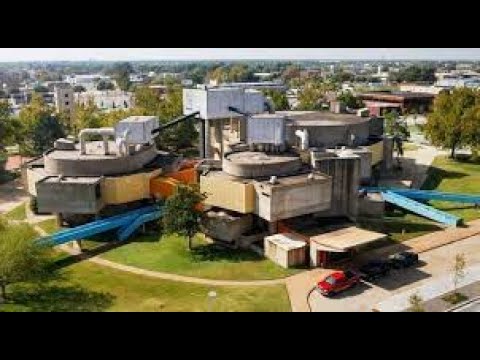
The board approved three variances for the 5 and Wall project — building setback relief, smaller landscape islands in parking rows, and landscape screening in lieu of facade‑matching materials — while deferring a larger monument sign request for separate review on Feb. 20. Architect Rand Elliott, representing the applicant, said the irregular site and single Walnut Avenue access created practical hardships that necessitated the setback and landscaping adjustments. "The site is very challenging due to its irregular shape and singular access point from Walnut Avenue," Elliott said during the presentation.
Also approved was a variance for SSM Health Saint Anthony to enclose and screen a replacement bulk oxygen system with a combination of limestone and perforated metal panels, after staff and Downtown Design Review comments were addressed. Cody Pastolka of Miller Architecture told the board the enclosure must remain at roughly the equipment height and require airflow to prevent freezing of the vaporizer system.
The board continued a proposed self‑storage project at Southwest 44th Street after several neighbors and the area representative raised concerns about exterior materials and visibility. Wimberly Condren and Steven Condren, residents of the adjacent Fieldstone addition, said they had expected masonry to match neighborhood walls and expressed safety and aesthetic worries. Representative Emily Geiss said she had received many constituent concerns and asked the applicant to work with neighbors on materials and visibility; the board moved the case to the Feb. 6 docket to allow further outreach.
A separate single‑family setback variance on Somerset was approved with the applicant’s revision to reduce the requested front‑yard encroachment from 15 feet to 10 feet. A rear‑yard variance for an accessory shop on West Britton Road was approved with a condition limiting the building’s use to storage only.
On home‑sharing and short‑term rental matters, the board approved or renewed several permits with standardized conditions: quiet hours from 9 p.m. to 8 a.m., limits on on‑street parking during quiet hours, and caps on vehicles and guests tailored to each property. Notable actions included approval of a short‑term rental at 3033 Northwest 65th Street with quiet hours set 9 p.m.–8 a.m., a two‑car exterior limit and no on‑street parking; a lodging approval at 542 West Eubanks limited to seven guests and two exterior parking spaces; and renewals at 48100 Thompson Avenue, 2247 Northwest 43rd Street and others with multi‑year terms and occupant limits.
The board recorded several continuances: case 15815 (the 5 and Wall signage component) was continued to Feb. 20 so the Downtown Design Review Committee could complete its review; and case 15820 (the 44 Storage LLC metal‑panel material variance) was continued to Feb. 6 to allow the applicant to meet with neighboring residents and refine materials and colors. A staff member noted the sign code had recently changed and that the applicants could appear before the DDRC in the morning and the Board in the afternoon on Feb. 20.
The board opened the meeting by receiving the minutes and handling routine continuance requests before moving through the docket. No formal vote tallies were read into the record for most items; the board noted motions, seconds and then stated whether an item was approved or continued. Where neighbors spoke in opposition, the board either added conditions or continued items to allow additional neighborhood outreach.
The board adjourned after closing the docket and hearing no further business.