Get Full Government Meeting Transcripts, Videos, & Alerts Forever!
Get email alerts on the Home Occupation topic
No spam. Unsubscribe anytime.
Plaistow narrows new home-occupation rules after extensive public debate; ordinance to appear on warrant
Summary
After hours of public comment and board debate, the Planning Board amended and approved a reworked home-occupation article — which separates home office, home occupation, home business and home daycare — and voted to post the revised article to the March 2025 warrant.
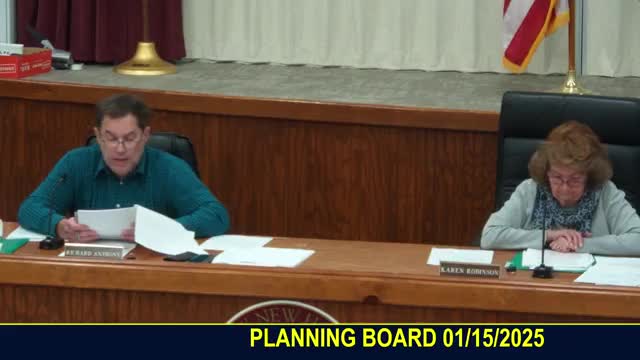
The Plaistow Planning Board on Jan. 15 finalized a reworked home-occupation ordinance and voted to place the revised article on the March 2025 warrant after extended public comment and multiple amendments.
The replacement article divides home-based work into four categories — home office, home occupation, home business and home daycare — and sets distinct permit and operational requirements for each. It also recognizes homestead-food operations under New Hampshire law and adds definitions and administrative language intended to reduce confusion about how on-site businesses are regulated.
Key provisions the board adopted include: - Home office: permitted in residential districts without a permit if conducted solely by residents with no client traffic or signage. - Home occupation: permitted in residential districts with a home-occupation permit (administrative) and limits on visible signage, client visits and external storage. - Home business and home daycare: permitted only after a conditional-use permit from the Planning Board and a separate occupancy permit issued by the building inspector; the board limited nonresident employees and truck/vehicle sizes for these categories. - Homestead food operations: the article allows licensed and exempt homestead food production consistent with state RSA 143-A and UNH Extension guidance; potentially hazardous foods remain subject to state licensing.
Public commenters were sharply divided. Some residents urged the board to expand home-based economic opportunities — including local food sales — while others, including the town health officer in a written statement, warned about food-safety risks for some home-prepared products and urged continuing protections that require licensed, inspected kitchens for higher-risk foods.
The board discussed vehicle and parking limits for home businesses, whether to require building inspections, and how to treat existing, lawfully established home operations. The approved article requires a home-occupation permit for many uses, a conditional-use permit for home businesses and home daycares, and periodic compliance inspections; it also preserves existing lawful preexisting uses and sets a six-month window for other nonconforming uses to seek relief after the article's adoption.
Board members also debated whether Zoning Board of Adjustment-appointed members should remain appointed or be elected; that topic was handled in a separate citizens-petition item later in the meeting. For the home-occupancy package, the board approved a set of edits including a cap on business-related vehicles and a gross-vehicle-weight limit to distinguish light pickup/van use from larger commercial vehicles.
Votes and next steps: The Planning Board amended the draft and voted to post the revised home-occupancy article (Z25-5) and associated definitions (Z25-2) to the March 2025 warrant. The board recorded its recommendation and instructed staff to prepare updated permit forms and checklists for applicants if voters approve the changes.