Get Full Government Meeting Transcripts, Videos, & Alerts Forever!
Get email alerts on the Classroom Displays Policy topic
No spam. Unsubscribe anytime.
Little Miami board advances flags-and-display policy to second reading after divided debate
Summary
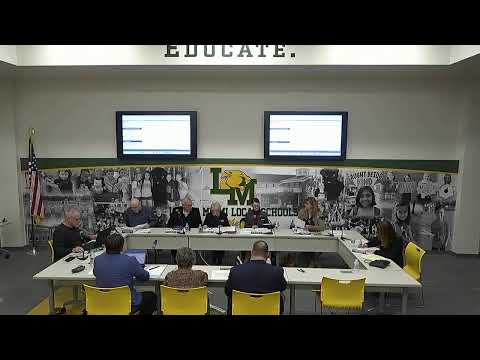
The Little Miami Local School District board voted Jan. 16 to move a new flags-and-display policy to a second reading on Jan. 28 after a lengthy debate about classroom speech, enforcement and legal risk.
The Little Miami Local School District Board of Education voted Jan. 16 to move a proposed flags-and-display policy to a second reading on Jan. 28 after a lengthy and sometimes heated debate about classroom displays, the First Amendment and enforcement burdens.
Board members who supported the measure said the policy would ‘‘remove distractions from the classroom’’ and help schools concentrate on core academics. Opponents warned the proposal risks legal challenges and could suppress diverse viewpoints in classroom materials.
The debate centered on whether the policy would be constitutionally defensible and whether the district could enforce it consistently across multiple buildings and hundreds of teachers. Bill, the district’s legal counsel, told the board, “The policy as it's currently written, I think would meet a constitutional challenge,” and cautioned that enforcement and inconsistent application could convert a content-neutral rule into a content-based one. Bill also told members to weigh nonfinancial costs such as staff time and litigation burdens.
Supporters emphasized local control and the desire to limit political expression in shared classroom spaces. One board member said the policy would help “get the politics out of the classroom” and called classroom walls “valuable advertising space” that should be managed to prioritize academics. Opponents repeatedly cited the U.S. Supreme Court’s Tinker precedent and community pushback; a board member said community comments had ‘‘overwhelmingly rejected this policy.’’
Members also pointed to experiences and legal pressure in other Ohio districts. Board discussion referenced a nearby district, Big Walnut, and the receipt of a cease-and-desist letter from the Ohio Civil Liberties Union after a similar policy rollout; board members said that episode led that district to consult lawyers and to face substantial legal bills in seeking defense.
The board’s vote on Jan. 16 was only to place the draft policy on the Jan. 28 agenda for a second reading and a final vote. Supporters said the extra time would allow the board to study other districts’ experiences and refine enforcement language; opponents said the policy needs more public review and clarity about what classroom materials would be restricted. The second reading is scheduled for Jan. 28, when the board will consider final adoption or rejection.