Get Full Government Meeting Transcripts, Videos, & Alerts Forever!
Get email alerts on the Budget Hearings topic
No spam. Unsubscribe anytime.
Budget hearing process explained: what JFAC members will see in hearings and where to find materials
Summary
Legislative analysts walked the committee through the structure and contents of budget presentations, the consolidated fund analysis, account categories and how to use SharePoint and the legislative budget book to find agency materials during hearings.
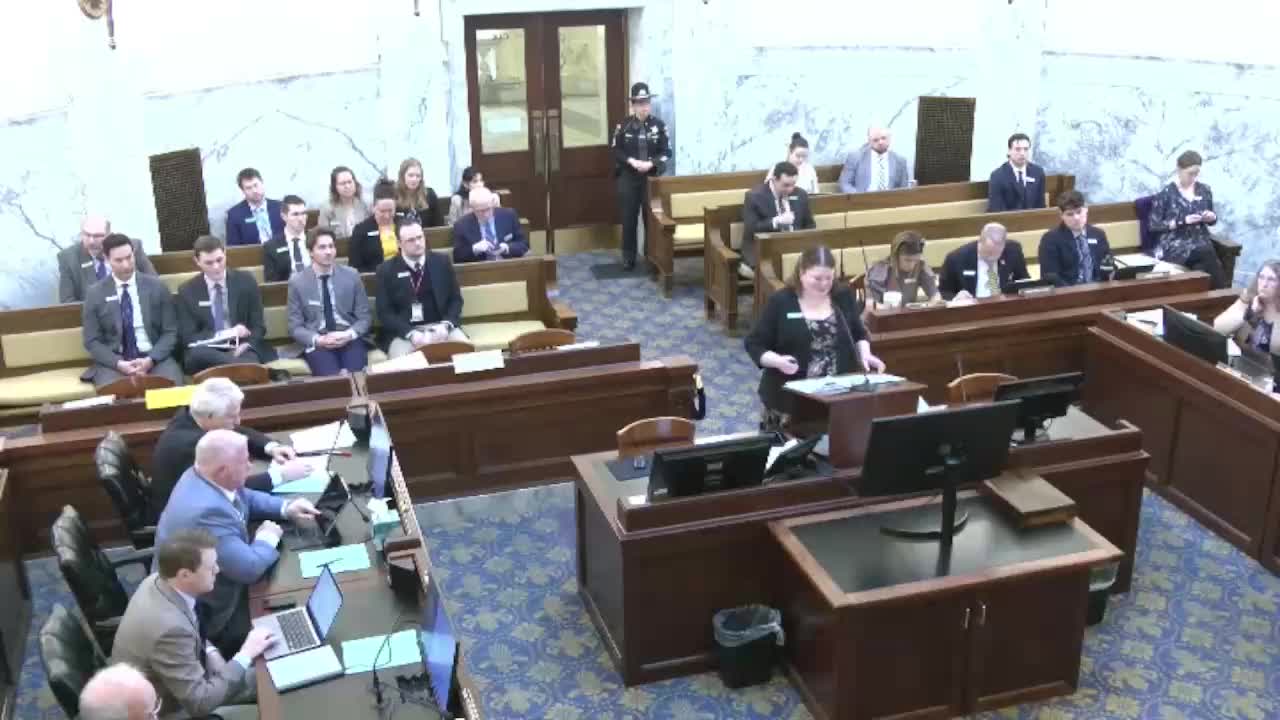
Janet Jessup, budget and policy analyst with Legislative Services, briefed the Joint Finance and Appropriations Committee on Jan. 7 about the structure of budget hearing presentations and how members can access supporting materials.
Jessup said every budget presentation the committee receives will include: the agency description and statutory references; an organizational chart and full‑time personnel (FTP) details including vacancies and five‑year averages; a consolidated fund analysis showing dedicated funds; a five‑year appropriation and expenditure trend; and a breakout of the agency’s fiscal‑year‑to‑date expenditures by account category (personnel costs, operating expenditures, trustee and benefit payments, capital outlay). She said those elements are intended to give members consistent, comparable context across agencies.
On consolidated fund analysis, Jessup explained that dedicated funds (fees, user charges, program receipts) are specific to the agency that holds them and cannot be used by others except as code allows. The slide deck and the fiscal source book show fund balances and the statutory citations that govern each fund’s permitted use.
Jessup reviewed the five‑year base snapshot and the distinction between ongoing base appropriations and one‑time additions. She said staff added new summary data this year to show vacancy rates, average FTP and average personnel spending to help members evaluate whether salary‑savings or vacancy trends are exceptional and whether a presented personnel request is sustainable.
On account categories, Jessup reminded members that Idaho Code defines how money is appropriated across personnel costs, operating expenditures, trustee and benefit payments, and capital outlay. Agencies sometimes request exemptions from the statute to transfer between categories; those requests will be visible in the budget packet.
She walked the committee through practical navigation: each agency’s materials are posted in SharePoint and in the legislative budget book. For each agency the order of materials is standardized (LBB pages, LSO budget slides, agency slides, hearing follow‑up and statutory or required reports). Members can sort SharePoint by modified date to find recently added documents.
Members asked about salary savings and how agencies use them. Jessup said causes vary—unfilled positions, hiring lower cost replacements, or retirees cashing out leave—and cautioned that one‑time salary savings are not a sustainable basis for recurring pay increases. She encouraged members to raise agency‑specific questions with their analysts if numbers look unusual.
Jessup closed by noting that the new online organization and slide standardization are intended to reduce presentation time in JFAC and give members quicker access to detail during work‑group deliberations.
Ending: Committee leadership thanked staff for reorganizing materials and emphasized that standardized slides and SharePoint access are intended to make hearings more efficient; members will receive the account‑category guidance and fiscal source book pages for reference.