Get Full Government Meeting Transcripts, Videos, & Alerts Forever!
Get email alerts on the Budget Process topic
No spam. Unsubscribe anytime.
Joint Finance outlines new 'clear language' approach for maintenance budgets and reappropriations
Summary
Committee staff walked members through program maintenance packets showing prior 'intent' language made statutory by inclusion in appropriations bills, reappropriation authority for multi‑year projects and new conditions, limitations and restrictions placed on appropriations.
The Joint Finance and Appropriations Committee on Jan. 15 spent a substantial portion of its hearing reviewing the program maintenance packets analysts prepared for FY2026 and described a more methodical approach to what the committee termed “clear language” for appropriations.
Keith Bybee, division manager for budget policy analysis, told the committee each packet groups agencies by functional area and shows comparative analyses (agency request, governor’s recommendation and a committee column). He said the packets include three broad categories of provisions the committee will consider: exemptions from Section 67‑3511’s transfer limits (allowing limited transfers between expenditure categories), reappropriation authority (to carry unobligated balances, notably ARPA and large capital projects, into later fiscal years) and “conditions, limitations and restrictions” that make explicit how appropriated dollars may be spent.
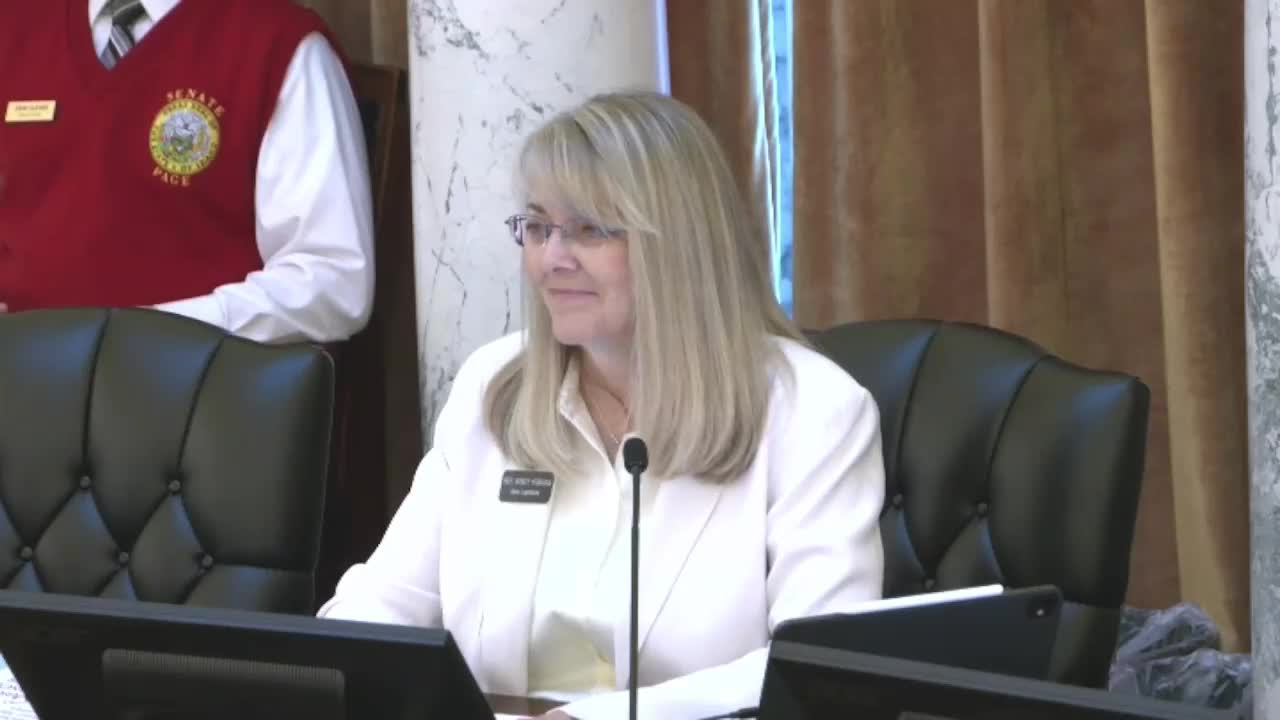
Bybee and Chair Horman both emphasized the change in phrasing: language that in the past was called “intent” will now be treated as binding direction in the appropriations bills so agencies understand that funds must be spent as authorized. Chair Horman said, “When we give you money for x, that’s where we expect it to be spent. Not because that is our intent, but it’s also the law.”
The packets cover a wide set of executive and non‑executive functions; examples Bybee highlighted included court operations and a judicial retirement contribution transfer mechanism, the Endowment Fund Investment Board’s continuous appropriation for investment fees, DEQ’s Environmental Remediation Basin Fund direction (including transfers to address Coeur d’Alene Basin remediation) and ITD reappropriation authority tied to multi‑year capital projects. He warned members many sections contain reporting and accountability requirements and that the committee will vote on maintenance budgets after finalizing statewide personnel and cost allocation decisions.
Members asked how the committee can track performance and legacy language in budgets over time. Chair Horman pointed to improved digital access to past appropriation language and the committee’s new fiscal impact team as tools to monitor outcomes; Bybee encouraged members to review the packets and follow up with analysts on specific items.
The committee did not vote on maintenance budgets during the hearing; staff said motions and votes on the maintenance numbers and the associated clear language will follow in the FY2026 budget setting process later in the week.