Get Full Government Meeting Transcripts, Videos, & Alerts Forever!
Get email alerts on the Employee Compensation topic
No spam. Unsubscribe anytime.
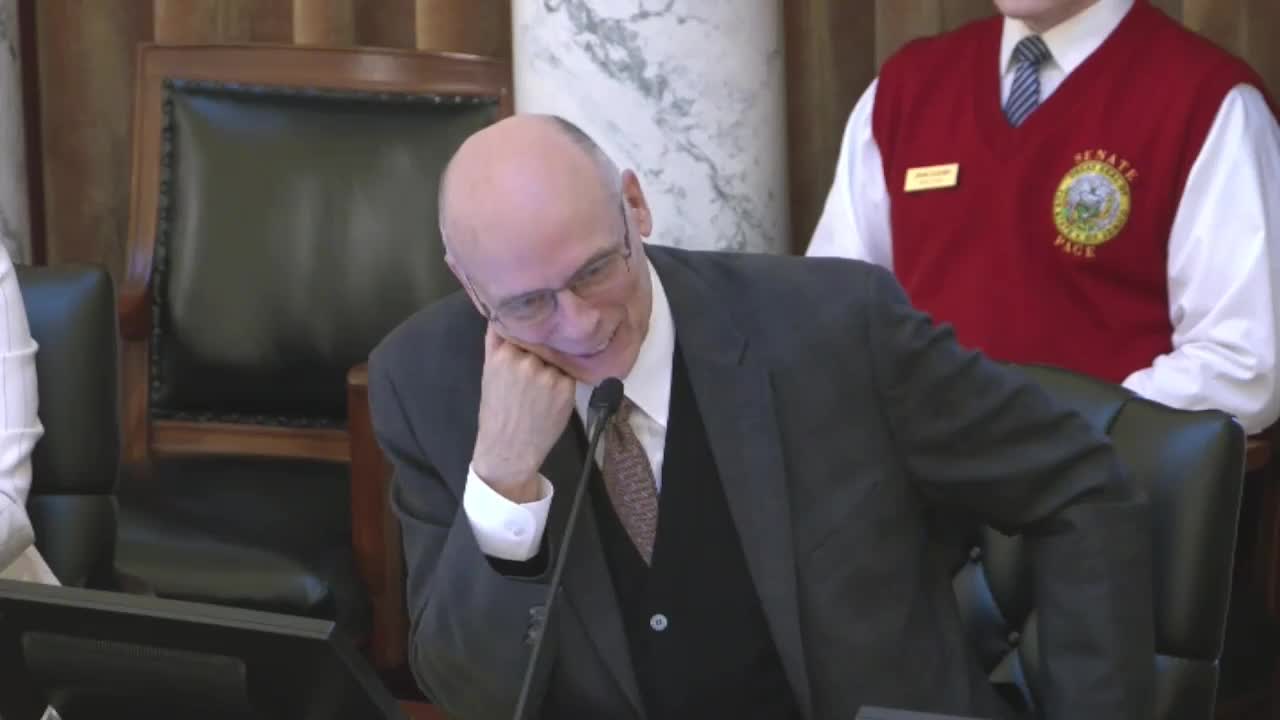
Lawmakers debate pay adjustments for state workers; multiple motions withdrawn after lengthy debate
Summary
Committee members spent an extended period discussing change‑in‑employee‑compensation proposals — including a $1.55‑per‑hour across‑the‑board approach, a percent‑based option, market supplements and public‑school elements — but sponsors withdrew competing motions to allow staff time to reformat language and numbers for a later meeting.
Members of the Joint Finance and Appropriations Committee engaged in a prolonged debate over change‑in‑employee‑compensation proposals for fiscal 2026, including a dollar‑per‑hour alternative, percent‑based options and targeted market increases.
Representative Furness presented the CEC committee recommendation — described as a $1.55 per hour increase for permanent employees of state agencies and institutions (with additional targeted increases such as an 8% trooper pay increase, a $1.55-or‑3% nursing/healthcare increase, and a 4.5% market increase for IT and engineering classifications). Representative Furness said the public school support amount included the governor’s revised recommendation. Senator Cook offered a substitute motion that would have increased ongoing annual salary for each permanent state employee by $1.55 per hour or 4%, whichever is higher, and included the same targeted adjustments for troopers, nurses and IT/engineering positions.
Committee members debated the merits of a flat dollar increase versus percent‑based or merit‑based raises. Senator Cook argued for merit and market adjustments to reward performance and retain specialized staff; Representative Furness and others said a flat dollar increase provides more relative help to lower‑paid employees. Several members raised turnover and recruitment concerns at both lower and higher pay levels and discussed how a large reserve balance and the state’s existing benefits package affect total compensation.
After extended discussion and several attempts to reformat motion text so that the committee could compare equivalent proposals, both lead sponsors withdrew their motions by unanimous consent to permit staff time to prepare corrected, comparable motions and supporting tables. The committee recessed and planned to resume consideration at a later meeting.