Get Full Government Meeting Transcripts, Videos, & Alerts Forever!
Get email alerts on the Transportation Electric Buses topic
No spam. Unsubscribe anytime.
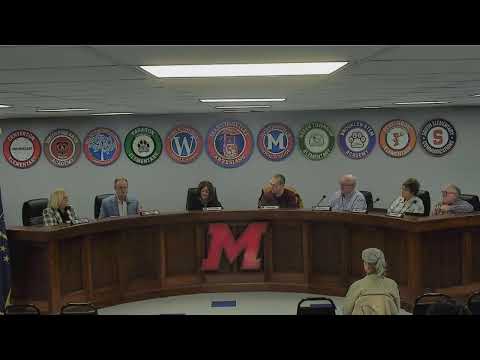
MSD Martinsville board approves purchase of four electric buses after safety and cold-weather questions
Summary
MSD Martinsville Schools approved purchasing four electric buses, with board members and staff citing manufacturer records and warranties; a public commenter raised safety and cold-weather concerns and cited the proposal price and incentives.
The MSD Martinsville Schools Board of Trustees voted to approve permission to purchase four electric school buses, board members said during the district's first regular session of 2025. The motion to buy the buses was made by Matt Hankins and seconded by Heather Staggs; the board approved the purchase by voice vote.
The decision follows public comment and extended board discussion about safety, cold-weather performance, warranties and total cost. Mark Murray, a resident who spoke during public comment, said the district's package listed 4 buses and two chargers for a total of $612,916 and highlighted available incentives: a program rebate of $280,000 and an IRS credit of $40,000. "If we're doing it just for the kickbacks ... it kinda raises some red flags," Murray said, and asked whether battery failures could jeopardize student safety.
Superintendent Eric Bolin and board members responded that the vendor under contract has an established record in the school-bus market. Board discussion noted the vehicles would be Thomas-brand buses sold through the local vendor referenced in the presentation and that the buses for this procurement carry an eight-year battery warranty. Board members said the batteries are enclosed in protective housings and described the manufacturer and seller as having an established safety and service record.
Board members described the purchase as an initial, limited adoption — four buses out of a fleet of more than 80 — intended to test electric vehicles on appropriate routes rather than convert the whole fleet at once. They also said the district considered operational savings in fuel and maintenance alongside the upfront cost and available federal and program incentives.
No detailed roll-call tally was recorded in the meeting minutes; the board voted by voice and the motion carried. The board discussed installing chargers and choosing routes suited to the buses' range and cold-weather performance; members emphasized continued monitoring and review before any broader purchase.
The superintendent's office and staff said they had asked vendors about cold-weather performance and other failure modes raised in public comment and felt the district had sufficient information to proceed with this limited purchase. The company warranty, dealer service history and the district's replacement plan were cited repeatedly as key factors in the board's decision.
The board did not adopt any additional policies at the meeting to govern electric bus deployment; members said staff would continue to evaluate outcomes from the first vehicles for future decisions.