Get Full Government Meeting Transcripts, Videos, & Alerts Forever!
Get email alerts on the Comprehensive Plan Update topic
No spam. Unsubscribe anytime.
Wenatchee launches urban-area comprehensive-plan update; housing study shows 6,275-unit 20-year need
Summary
City staff and consultants kicked off an 18-month Wenatchee Urban Area Comprehensive Plan update, presenting a housing market study that estimates the urban area will need about 6,275 housing units by 2046 and calling for expanded public engagement and targeted code, program and infrastructure work.
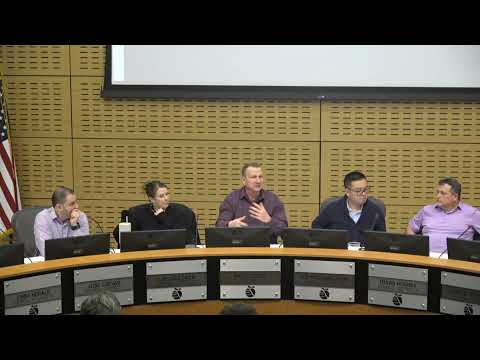
Wenatchee City staff and their consultants on Tuesday opened an 18-month update of the Wenatchee Urban Area Comprehensive Plan, telling the joint City Council and Planning Commission the update must address housing shortfalls, infrastructure constraints and new state requirements on climate and housing.
"GMA...is a series of state statutes that guide local government," Steve Neuenschwander, assistant director of community development, told the council and commissioners as he described why the Growth Management Act requires the plan update and how the city will plan inside the urban growth area. "The comprehensive plan ... is our policy guidance document, and it guides how and where we grow."
The plan update responds to an Office of Financial Management population forecast that the Wenatchee urban area could reach roughly 50,000 people by 2046 and a consultant analysis that the area needs about 6,275 housing units over the 20-year horizon. That translates to roughly 241 new units per year; permit data at the time of the study showed an average of about 126 units per year, the consultants said, leaving the city producing about half the housing it would need to meet the target.
Why it matters: the comprehensive plan guides zoning, development regulations, capital facilities and grant applications and must reflect state requirements under the Growth Management Act (GMA). This update adds a climate-change element and will be used to demonstrate land capacity and ‘‘adequate provisions’’ for housing across income levels, the city said.
Key findings from the housing market study presented at the kickoff included: 44% of households in the city are renters; about one-quarter of all households are cost-burdened (paying 30% or more of income for housing); median household income in 2022 was $66,143; and median single-family sales price was roughly $561,000. The consultants also highlighted a low existing share of ‘‘middle housing’’ (duplexes, triplexes and four-unit buildings) and a recent rise in rental costs — roughly $1,500 per month in the study period — that outpaced incomes for many renter households. "Forty-four percent of households are renters in the city of Wenatchee," Mia Brett, who presented the market analysis, said during the meeting.
The team said the study examined barriers to infill and redevelopment, reviewed recent local code changes (including the 2019 housing-code update and a middle-housing code change adopted late last year), and recommended targeted code and program actions the city can pair with the land-capacity analysis to show it can meet state targets.
Engagement and next steps: Jesse Hartman of Burke Consulting described a four-phase project schedule: (1) launch and learn; (2) evaluate and engage (including focus groups for housing and a climate policy advisory team); (3) draft plan and environmental review (EIS scoping and draft EIS); and (4) final plan and adoption. "We want to make sure that we are building lasting relationships and trust, with the community, and that the engagement is robust and inclusive," Hartman said.
Consultants plan an eight-week public survey that will be available online and in a shorter mailed version with utility bills, stakeholder interviews, pop-up events and targeted focus groups. The kickoff meeting used a live menti.com visioning exercise and previewed survey questions about what residents love about Wenatchee, top concerns (homelessness and housing affordability ranked highest in the kickoff exercise) and 20-year hopes such as a thriving downtown and sufficient housing supply. The consultants said the survey will be offered in English and Spanish and will include incentives to increase participation.
Council and commission comments focused on implementation, infrastructure capacity and outreach. Multiple members urged that the plan be actionable rather than left on a shelf, and that staff coordinate infrastructure (water/sewer) and financial tools so code changes translate into built units. Several speakers also urged active outreach to builders and property owners to convert underused downtown space into housing where feasible.
Regulatory context and funding: staff said the update will incorporate new state housing and climate rules and that the city has a Department of Commerce grant to support the work. The team will use the state OFM population forecasts to allocate growth inside the urban growth area and must demonstrate land capacity consistent with GMA requirements.
What the city will produce and when: staff said they expect to finalize survey questions and publish the survey by the end of the month, post kickoff slides on the city website, hold focus-group and stakeholder sessions, and proceed to EIS scoping and a draft plan in the coming months. Final adoption is targeted for June 2026, city staff said.
The kickoff did not include any formal votes or ordinance actions; consultants and city staff will return with draft plan materials and environmental review documents for future hearings and formal legislative action.
Ending: The city team asked community groups and local organizations to invite staff to meetings and to help distribute the survey to ensure broad participation. Staff said the plan and supporting materials will be posted on the city's website and that they will report back to the council and planning commission at key milestones.