Get Full Government Meeting Transcripts, Videos, & Alerts Forever!
Get email alerts on the Infectious Disease Norovirus topic
No spam. Unsubscribe anytime.
Middletown medical director briefs board on norovirus surge and prevention
Summary
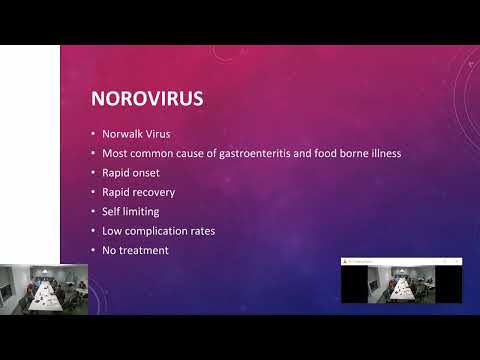
Dr. Paul Jenowine told the Middletown Board of Health that norovirus — commonly called Norwalk virus — is the leading cause of gastroenteritis and is unusually contagious this season; he urged extended hand washing, bleach disinfection and isolation of sick people.
Dr. Paul Jenowine, medical director for the City of Middletown, told the Board of Health on Jan. 14 that norovirus is the most common cause of gastroenteritis and a major driver of foodborne illness this season.
“Norovirus is actually called the Norwalk virus… It is the most common cause of gastroenteritis in both the United States and the world,” Jenowine said, noting outbreaks peak in the Northern Hemisphere between October and April. He described a short, intense course of illness with “nausea, vomiting, non‑bloody watery diarrhea” and cautioned that dehydration is the main risk, especially for very young and very old residents.
Board members were given context about transmission and prevention. Jenowine said the virus often spreads when an infected food handler returns to work while still shedding virus — “they go back to work at their food establishment and aren’t washing their hands well” — and that contaminated shellfish, leafy greens and other uncooked foods are common sources. He warned that norovirus can survive on hard surfaces for up to six weeks and that alcohol hand sanitizers are largely ineffective against it.
“Hand washing is big, but it’s really not that good,” Jenowine said. He recommended washing hands for up to 30 seconds, using a strong household bleach solution to disinfect contaminated surfaces and isolating symptomatic people; he also described the limited role for testing and treatment: “It’s self‑limiting. You really don’t have any treatment for it other than staying hydrated.”
During a question period, board members asked about washing produce, diaper‑changing hygiene and whether masks or gloves would reduce spread. Jenowine advised aggressive handwashing, surface disinfection after diaper changes and, for contaminated bedding, washing with bleach and high heat.
The discussion closed with Jenowine noting recurring norovirus strains and short‑term immunity: there are multiple norovirus subgroups and “you’re resistant to the subgroup you got for about 6 to 12 months.” Board members were advised to reinforce hygiene messaging to congregate settings such as nursing homes, schools and dining facilities.
Jenowine’s presentation was given during the agenda’s education presentation; attendees followed with questions from the board before proceeding to new business.