Get Full Government Meeting Transcripts, Videos, & Alerts Forever!
Get email alerts on the Cell Cultured Protein topic
No spam. Unsubscribe anytime.
House Ag Hears Measure Targeting Labeling and Sale of Cell‑Cultured Protein; Producers Seek Strong State Protections
Summary
Sponsor and livestock groups asked the committee to bar sale or misrepresentation of cell‑cultured meat; farm and ranch organizations supported prohibition or strong labeling, while other witnesses raised health and environmental concerns. Industry groups urged care on drafting to limit litigation risk.
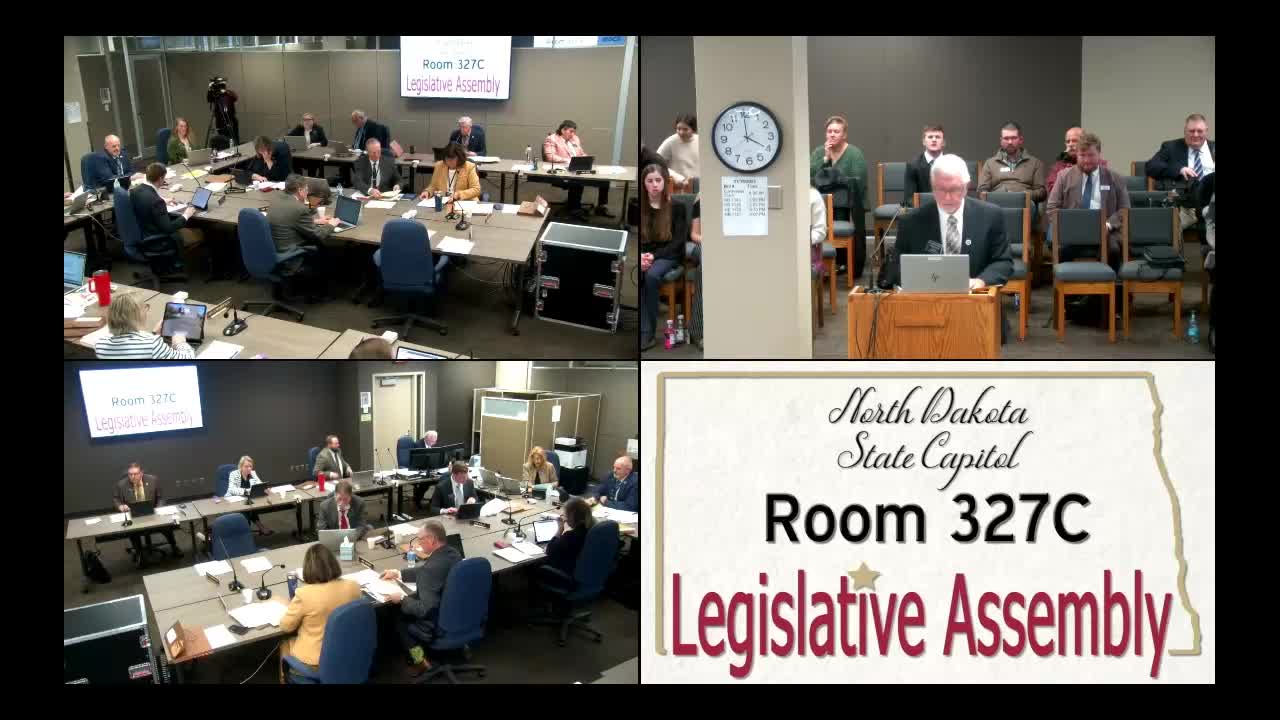
Representative Mike Schatz introduced House Bill 1151, which would prohibit certain representations and the sale of cell‑cultured (lab‑grown) meat products in North Dakota. Sponsors and multiple agricultural organizations and individuals urged the committee to act to protect livestock producers and to ensure consumers can distinguish traditionally raised meat from lab‑cultured products.
"This bill would prohibit the sale of laboratory produced fake meat products," Representative Schatz said in opening remarks, arguing the measure would protect the state’s livestock industry. Testimony in support included the North Dakota Farm Bureau, North Dakota Stockmen’s Association, North Dakota Farmers Union, Independent Beef Association of North Dakota and many individual citizens, including students and local nonprofit representatives.
Proponents raised several themes: preservation of local agricultural livelihoods, uncertainty about long‑term health effects of cultured meat, doubts about environmental benefits and concerns about labeling and potential consumer confusion. Rachel Gross of the North Dakota Farm Bureau asked the committee to "consider this amendment which if enacted would offer protection to North Dakota producers and it would ensure that there is safety for all North Dakotans, as we have an assurance that any products sold here are truly legitimate meat." The Independent Beef Association and the Stockmen’s Association expressed support but also urged careful statutory language to reduce legal exposure.
Tim Eberly, vice president of the North Dakota Stockmen’s Association, said the association "stands in soft support of this bill" but cautioned that an outright ban could invite constitutional challenges and suggested working with the committee and stakeholders on amendments that would strengthen labeling and reduce litigation risk. Ryan Gregg of the North Dakota Farmers Union recommended preserving existing state labeling law (North Dakota Century Code 4.1‑31‑05.1) and proposed striking a section of the draft bill that could weaken current labeling protections.
Multiple public commenters — including students and local volunteers — told the committee they were concerned about potential health risks, production costs and rural economic impacts. Testimony included assertions about production costs per pound and claims that cultured‑meat production could require large fermentation capacity and pose food‑safety questions; those claims were presented as opinions by witnesses and not adjudicated in the hearing.
Committee members asked whether the measure is likely to produce litigation; witnesses acknowledged pending litigation in other states. Several witnesses cited Florida and other states as examples where similar measures have been proposed or enacted and noted ongoing legal challenges.
Ending: Livestock and farm organizations asked for committee action but also requested time to work with sponsors on amendments to tighten labeling language and reduce legal exposure; the committee did not adopt amendments or vote during the hearing. The chair said stakeholders would have additional time to refine language before committee action.