
Lycoming retirees ask commissioners for limited help with meeting mailings; commissioners receptive to working out options
Get AI-powered insights, summaries, and transcripts
Subscribe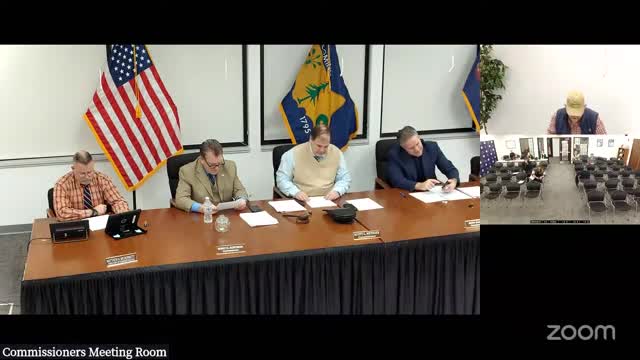
Summary
A retirees’ group asked the Lycoming County commissioners to help cover limited mailing and related costs so volunteer leaders can send meeting notes and information to members; county staff said they would work with the group on cost‑saving options including a yearly mailer and greater email use.
A delegation representing Lycoming County retirees asked the Board of Commissioners on Jan. 16 to consider limited financial support to help volunteer leaders prepare and mail meeting notices and meeting summaries to retirees.
The retiree representative said members pay a $10 annual dues fee and that rising postage and mail costs have made it difficult for the group to continue mailing meeting notices as before. The request sought county assistance to pay for preparing and mailing meeting notes and to cover incidental lunch‑site fees when the site charges a service fee.
County staff and commissioners discussed cost-saving alternatives during the meeting. Human Resources staff said mailing every event singly had become expensive and suggested producing a single annual planner mailed once per year, supplemented by postcards or emails for interim notices. The retiree representative also offered to pursue a small dues increase for members who want mailed notices while offering free email notices to others.
Commissioners said they were receptive to continuing conversations and working to find a solution that reduces postage costs and improves outreach to retirees. No binding commitment of county funds was made at the meeting; staff agreed to follow up with the retiree group to explore options such as an annual mailing, postcards for new retirees and expanded email distribution.
Why it matters: Retiree organizations provide social and informational services to former county employees and residents; postage costs and administrative burdens affect how volunteer organizations communicate with older members. Commissioners and staff indicated a willingness to seek pragmatic, lower‑cost options rather than an immediate ongoing county subsidy.