Get Full Government Meeting Transcripts, Videos, & Alerts Forever!
Get email alerts on the Animal Services topic
No spam. Unsubscribe anytime.
Audit finds gaps in Denton Animal Services documentation and controls; staff outline reforms, ask council for 6‑month check‑up
Summary
A city audit identified gaps in daily care documentation, vaccine and drug tracking, and fee transparency at Denton Animal Services. Staff described new tracking tools, policy updates and staffing changes and asked council to allow a follow‑up in six months to review progress.
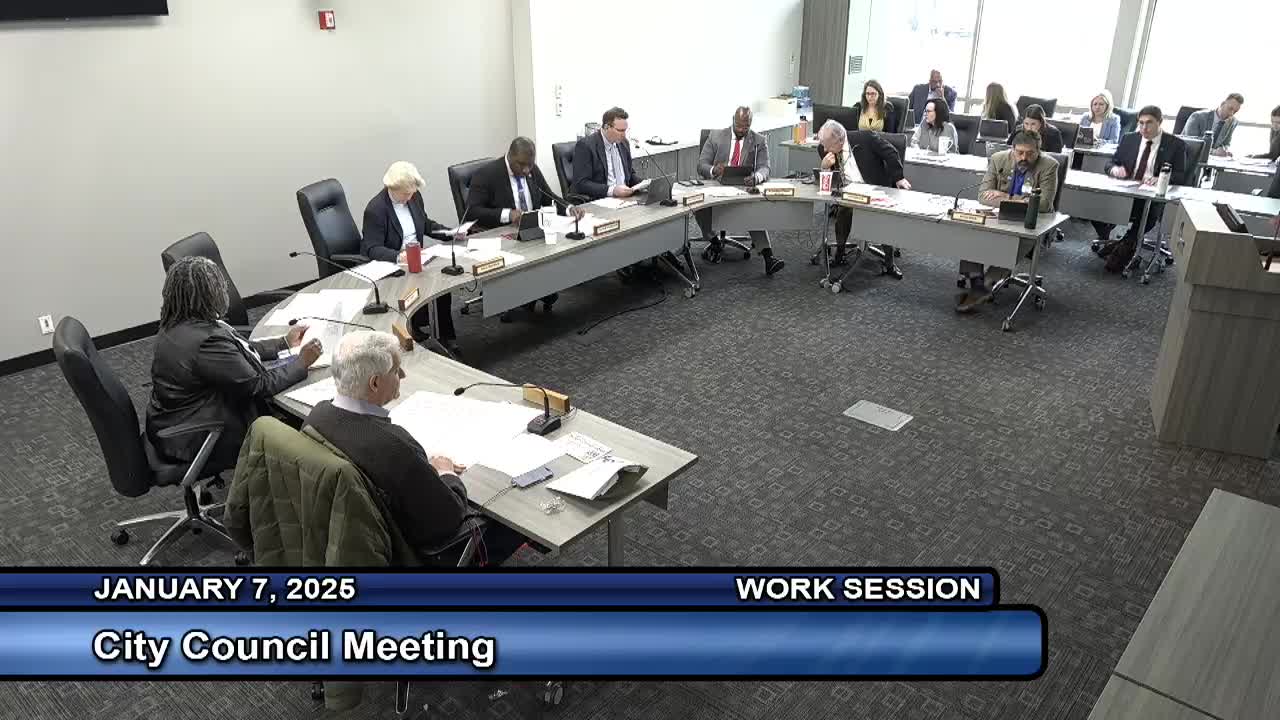
A city audit released at the Jan. 7 Denton City Council meeting found that the animal services shelter has inconsistent documentation of basic care and medical services, gaps in tracking controlled drugs and billing, and an outdated fee schedule — but that staff have already begun implementing fixes and asked council for a six‑month follow‑up.
The audit, presented by City Auditor Madison Rochaw, reviewed shelter operations, response to calls, asset management and fees for fiscal years 2023 and 2024 and Q1 of fiscal year 2025. "We issued 34 recommendations, all of which the department either agreed or partially agreed with," Rochaw said.
Why it matters: the audit flagged items that affect animal welfare (feeding, enrichment, vaccine administration), public‑health requirements (rabies vaccination), and financial controls (unauthorized fees, contractor billing). The shelter handles dozens to hundreds of animals daily and its practices affect reunification of pets with owners, adoption outcomes and regulatory compliance.
The audit said the shelter should have staff dedicated to basic care equivalent to industry staffing calculators (about eight staff per day); during fiscal 2024 the shelter had about 11.5 positions but managers and senior officers were still needed to assure basic care activities were completed. Volunteers supplied roughly 400 hours a month of enrichment. The audit also found that microchip scans and vaccine administrations were not consistently documented and that the contractor providing veterinary services appeared not to be performing all intake exams expected under its contract. The report identified "just over $2,000" of unauthorized fees collected in fiscal 2024 and said the most recent city fee schedule dated from 2013 and needs updating.
City staff described a series of reforms already underway. Nikki Sassenas, director of animal services, and Jesse Kent, assistant to the city manager, showed a new barcode‑based daily care tracking system that staff use on phones to log feeding, cleaning, walks and health checks in real time. Kent explained how the system flags animals for supervisor follow‑up and links to the animal management database so supervisors can monitor care and spot trends.
Sassenas said the department has hired two additional animal care technicians and a behavior/enrichment coordinator, filled seven vacancies last month, created a formal euthanasia decision policy and is working on an updated fee schedule, microchipping on intake and a plan to bring some veterinary positions in‑house. "We have undergone significant culture shift and mindset changes and making sure that all of our staff and everyone in the department is aligned with those expectations," she said.
The auditor and staff discussed specific concerns about euthanasia documentation, controlled drug inventory and contractor billing. Rochaw told council the city lacks a physical copy of its DEA license at the shelter and that some euthanasia procedures and drug logs did not match entries in the animal management system; staff replied they are implementing better drug tracking and aligning SOPs with observed practice. On veterinary services, the audit noted some specialty surgeries billed based on verbal agreements and that the contractor appears to perform only about half of intake exams; staff said contract amendments and options to hire in‑house veterinarians are being explored.
Performance metrics in the audit showed a combined live release rate of 83% for fiscal 2023–2024, under the general 90% live‑release goal the audit cited as a common standard. Staff emphasized expansion of foster and volunteer programs (more than 2,000 volunteer hours since June 2024 and more than 500 fostered kittens in the year), a new public performance dashboard and outreach vaccination/microchip clinics coordinated with partners.
Council discussion focused on how soon to follow up. Multiple council members asked for an interim check; the auditor said a follow‑up usually requires about six months of data after new processes are in place. Council members asked staff to return in six months with evidence of implementation; several council members said they would welcome an even earlier update if the auditor can gather meaningful data sooner.
The auditor and department said the department will bring an updated fee schedule, euthanasia policy and proposed veterinary contract changes to council in coming months. The auditor said she planned a formal follow‑up review in Q1 of fiscal 2026 but would amend the audit plan to return sooner if council requests it.