Get Full Government Meeting Transcripts, Videos, & Alerts Forever!
Get email alerts on the Public Finance Transparency topic
No spam. Unsubscribe anytime.
Residents press for audited FY24 results as council weighs rising health‑insurance, labor and infrastructure costs
Summary
Public commenters urged the council to release FY24 audited or unaudited results while staff warned of rising health‑insurance costs, 8 expiring union contracts and infrastructure liabilities (sewer, Superfund sites, police station). Councilors requested data on vacant positions and retirements.
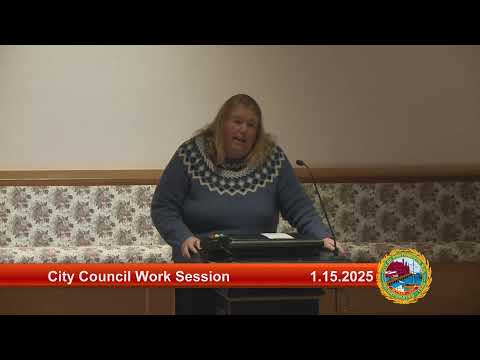
At a Jan. 15 Portsmouth City Council work session residents pressed the council for clarity on FY24 financial results while staff and councilors discussed rising health‑insurance costs, upcoming collective‑bargaining negotiations and infrastructure liabilities that could affect the FY26 budget.
Resident Petra Huda asked why the council had not yet released FY24 unaudited or audited results and cited RSA 4131 and the city charter in urging timely financial disclosure. The Mayor responded that the audited FY24 results from CLA will be presented at the council’s next Tuesday meeting.
Deputy City Manager for Finance Administration Nathan Lonnie told the council the city’s health‑insurance plans are expected to increase (staff reported a guaranteed maximum 9 percent increase through Health Trust for city coverage and an 8.9 percent increase for the school plan) and explained the city budgets health costs through a stabilization reserve that smooths year‑to‑year changes. Staff estimated a roughly $930,000 total cost impact from the health‑plan changes and said the 10‑year rolling average used for COLA budgeting is 2.84 percent.
Lonnie also said the New Hampshire Retirement System published employer contribution rates for the next two years and that the rates have fallen in each category, producing modest savings. He warned that collective bargaining remains a major uncertainty: eight of 16 union contracts expire this cycle, and budgets for unsettled units currently include step increases but not COLA; any negotiated COLA would be funded from a collective‑bargaining contingency.
Several councilors asked staff to compile additional personnel data. The Assistant Mayor and Councilor Bombardier asked for the percentage and trend of funded but vacant positions and for a five‑year vacancy trend. Councilor Taber asked for retirements by department and trends over recent years so councilors can assess whether retirements and workload shifts could reduce hiring needs.
Resident Esther Kennedy urged the council to prioritize infrastructure risks in budget decisions, calling attention to the city’s two sewer treatment plants, a pier‑island plant sludge issue, Superfund and contaminated sites with potential water migration, and alleged mold at the police station. Kennedy and other public commenters said rising insurance premiums and lost federal funds would increase pressure on general fund revenues and on renters who shoulder tax pass‑throughs.
Council members did not take formal action at the work session. Staff said they will provide the requested personnel and financial detail as budget development continues and that audited FY24 results will be presented at the next regular meeting.