
Local coalition asks county for $300,000 a year for ‘Hope for Home’ program to reduce family homelessness
Get AI-powered insights, summaries, and transcripts
Subscribe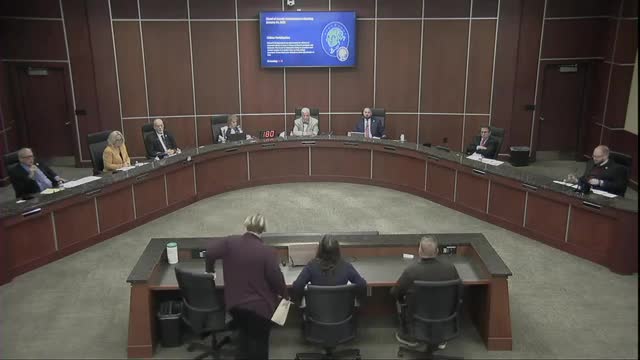
Summary
Jeannie Asbury, executive director of Reach and chair of the local homeless coalition, told the Washington County Board of Commissioners on Jan. 14 that homelessness in the county has risen sharply and asked the board to fund a pilot program.
Jeannie Asbury, executive director of Reach and chair of the local homeless coalition, told the Washington County Board of Commissioners on Jan. 14 that homelessness in the county has risen sharply and asked the board to fund a pilot program.
"This is not a statistic. This is a humanitarian crisis affecting the heart of our community, the future of our community," Asbury said, and asked the county to commit $300,000 annually from the community reinvestment and repair fund to launch Hope for Home.
The request matters because county officials indicated cannabis tax revenue and the community reinvestment fund could provide new local resources for homelessness services. Coalition leaders said the program would target families who do not qualify for existing funding and provide 12‑month leases plus intensive, tailored wraparound services to promote housing stability.
The coalition presented data and service details. Asbury told commissioners that overall homelessness in the county "has escalated by over 340% since 2021" and that there are "more than 600 homeless school‑age children" in Washington County (January figures not yet available, she said). Dr. Mark Sewell, the county's Continuum of Care lead, described program components: case management, financial literacy, tenant‑rights education, child‑centered supports (tutoring and after‑school programs) and required participation by families in services.
"We are requesting $300,000 annually to be used from the community reinvestment and repair fund," Sewell said, tying the ask to the fund established under Maryland's Cannabis Reform Act of 2023, which the presenters said designates homelessness solutions as an eligible use. Sewell said the coalition will supply research backing the model, including studies on eviction costs and child health impacts.
Carrie Johnson, executive director of the Washington County Mental Health Authority, described an existing, longer‑running Continuum of Care rental assistance program to show how supportive housing models work locally. Johnson said that program currently serves 19 households (28 people), including six households with children, and that many households in that program have long tenures in the program; she detailed the program's case management and landlord‑engagement practices as comparators for Hope for Home.
Presenters asked the commissioners to review the research and funding request and to work with the coalition to design a local pilot. No formal appropriation or vote took place; presenters said they would follow up with additional materials the commissioners requested in December.
Next steps: coalition leaders said they will provide the research comparisons and program details requested by commissioners; any county funding decision would return to the board for formal consideration and appropriation.