Get Full Government Meeting Transcripts, Videos, & Alerts Forever!
Get email alerts on the Committee Rules And Deadlines topic
No spam. Unsubscribe anytime.
House Business Committee opens session, sets procedural rules and deadlines
Summary
At its Jan. 9 organizational meeting, the House Business Committee reviewed filing deadlines, public testimony procedures and committee logistics, including a paperless OneDrive workflow and IT support; the chair urged sponsors to submit draft bills before requesting RS numbers and discouraged "call for the question" motions.
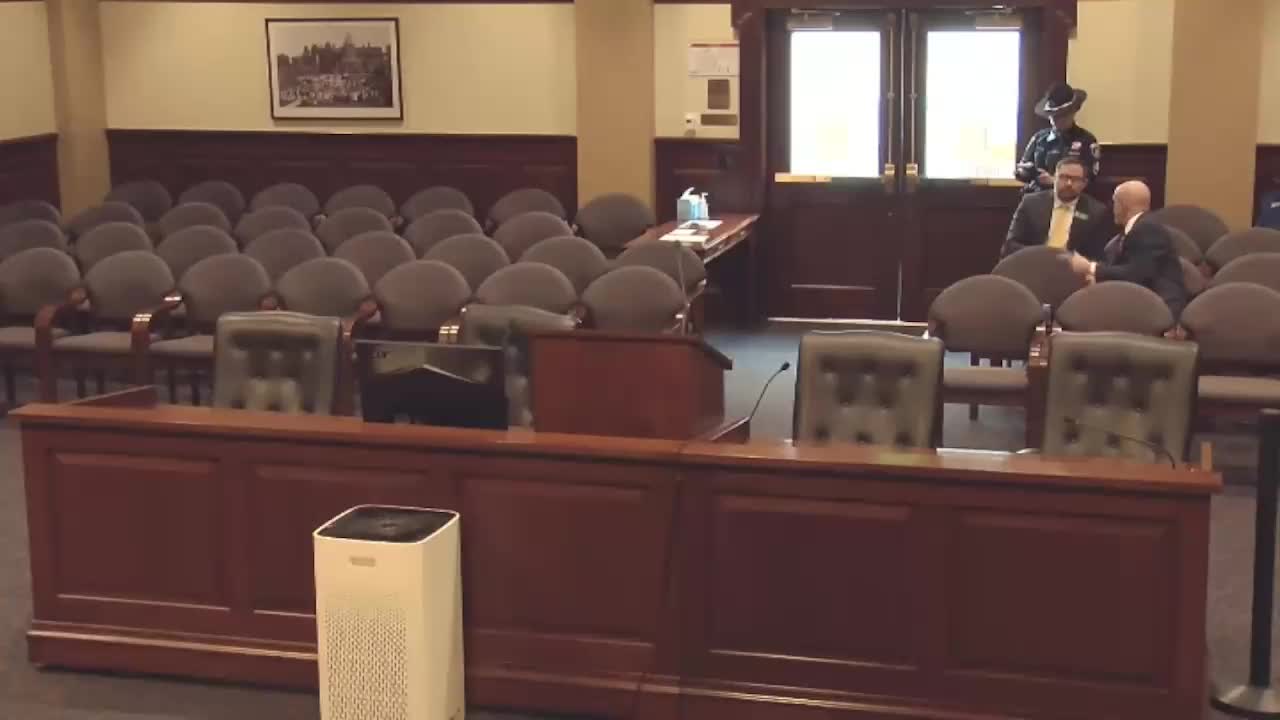
House Business Committee Chairman Clow opened the committee's Jan. 9 organizational meeting at 1:30 p.m., reviewed legislative deadlines and laid out preferred committee procedures for the 2025 session, including a paperless OneDrive workflow and an IT support period immediately after the meeting.
Clow emphasized schedule and filing deadlines that matter to sponsors: a request-for-service (RS) deadline to get drafts to the Legislative Services Office on Feb. 3, a Feb. 10 cutoff for introducing legislation without special permission from the speaker, a Feb. 28 target for the committee's rules-review report, and a March 3 transmittal target for legislation moving between the chambers. He also referenced Joint Finance-Appropriations Committee (JFAC) target dates in early March tied to the legislature's goal of sine die on March 21.
The chair told members he prefers sponsors to present draft bills to him before requesting RS numbers so staff can catch technical problems early. "I prefer you bring me a draft of the bill before you request the RS," Clow said. He also urged members to avoid procedural shortcuts: citing his reading of Mason's Manual, he discouraged "calls to the question" or similar motions that would curtail debate.
Committee procedures and public testimony were described in detail. The committee will operate paperless with meeting materials posted on OneDrive; IT staff would be available after the meeting to help members access files. Members may present bills and then call on experts; after committee questions the chair will open public testimony. The committee will accept both in-person and virtual testimony. Clow said members should permit speakers to make their statement even if the speaker includes incorrect information: "They can say incorrect information. They can make stuff up. They theoretically, don't have to be honest," he said, adding that sponsors should note inaccuracies and correct them in their closing remarks.
The chair said he will generally avoid accepting motions to act on a bill before public testimony has concluded so that public input is not preempted by an early decision. He also asked members to keep questions concise and not use rhetorical speeches in place of inquiries. When testimony requires follow-up from an individual who may leave after testifying, members should signal their intent to pursue a question so the chair can arrange for that person to remain to answer.
Logistical items covered included posting agendas at least three days before meetings when feasible (with the chair noting exceptions may be necessary late in the session), a scrolling agenda in the committee file so members can follow multi-page bills, and directions to leave committee folders in the room at the end of the day. Representative Faye Thompson and Representative Steve Burch volunteered to proofread committee minutes going forward.
The committee introduced its page for the session, reminded members that some agency RSs are prepared by agencies and that RSs cannot always be amended in committee, and scheduled follow-up meetings to begin rules review and to meet with the electrical board about administrative-rule issues. Chairman Clow adjourned the meeting and said the next likely meeting day would be Wednesday, Jan. 14.