Get Full Government Meeting Transcripts, Videos, & Alerts Forever!
Get email alerts on the Budget Operations topic
No spam. Unsubscribe anytime.
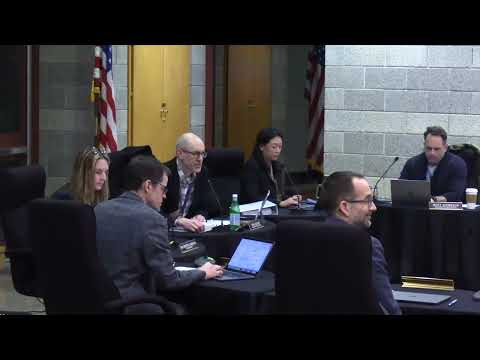
Chappaqua board hears budget preview, discusses state 'regionalization' conversations and electric‑bus feasibility study
Summary
Superintendent Dr. Ackerman and business officer Josh presented a budget preview Jan. 14 and the board discussed participating in state‑led shared‑services conversations while pursuing an electric‑bus feasibility study.
Superintendent Dr. Ackerman and business officer Josh presented a budget preview Jan. 14 that outlined the district’s budget calendar, known fiscal drivers and near‑term unknowns ahead of the May 20 budget vote.
Josh told the board the district’s seven‑year average budget increase is about 2.36% and the average tax‑levy increase is about 1.9%. He identified known factors for next year — settled administrator/clerical/custodial contracts, modest retirement rate changes, a 0.53% assessed value growth factor and a projected 3.9% health‑insurance increase — and unknowns such as the final state aid run, the teachers contract (negotiations begin this year) and specific special‑education placement costs.
Dr. Ackerman framed the budget around the district strategic plan and said staff plan to preserve class‑size targets, support academic and social‑emotional programming and prioritize infrastructure investments. The administration expects to present a recommended budget for board consideration in March and to host building‑level budget information sessions in April leading up to the May public hearing and vote.
On a state initiative announced last year — often described publicly as “regionalization” — Dr. Ackerman said Chappaqua would prefer to remain “at the table” for conversations about shared services (special education, safety, mental health, electric bussing, professional development and pre‑K), while retaining control over whether to participate in specific shared programs. Board members agreed it would be prudent to participate in initial conversations rather than pre‑emptively opt out.
The board’s electric‑bus task force reported next steps: it will seek competitive funding to cover a site‑assessment feasibility study of charging and electrification infrastructure. Task‑force members said a free or reimbursable consultant study will allow the district to evaluate whether to pursue charging at the current bus garage or other sites and to identify constraints (e.g., utility upgrades, midday charging needs) before committing to vehicle purchases.
On capital work, the board considered awarding previously bid contracts for phases of the district’s ongoing capital project (HVAC, athletic pavilion, tennis‑court lighting) and a resolution to join a Virginia cooperative contract to service the high‑school greenhouse. Josh said most contracts were previously bid for phases 2–3 and required formal board sign‑off so work can begin this spring and summer.
Ending
The board asked staff to continue refining budget assumptions and to pursue the electric‑bus feasibility study. No budget adoption action was taken Jan. 14; the board will receive detailed component presentations in March and may adopt a recommended budget March 26 for the May 20 vote.