Get Full Government Meeting Transcripts, Videos, & Alerts Forever!
Get email alerts on the Nomination Overview topic
No spam. Unsubscribe anytime.
Senate Energy Committee hears Chris Wright; nominee vows to "unleash American energy," back national labs and grid investments
Summary
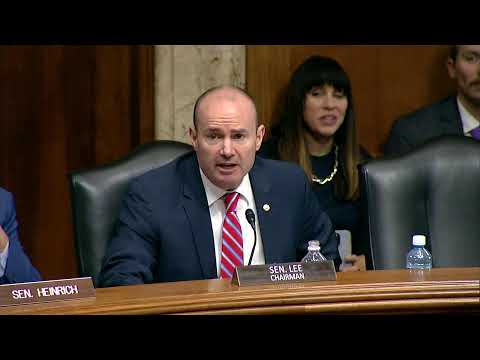
Senator Mike Lee, chairman of the Senate Energy and Natural Resources Committee, opened the first hearing of the 119th Congress by introducing Chris Wright as the nominee for secretary of energy and stressing the "privilege" and urgency of the moment in U.S. energy policy.
Senator Mike Lee, chairman of the Senate Energy and Natural Resources Committee, opened the first hearing of the 119th Congress by introducing Chris Wright as the nominee for secretary of energy and stressing the "privilege" and urgency of the moment in U.S. energy policy.
The hearing's central question was how Wright, a longtime energy entrepreneur, would balance expanding domestic energy supply, protecting national security missions carried out by the Department of Energy's laboratories, and enforcing ethical and legal standards if confirmed. Wright described himself as a "science geek, turned tech nerd, turned lifelong energy entrepreneur" and said he would work to "unleash American energy at home and abroad" while accelerating research and rebuilding critical infrastructure.
Why it matters: The Department of Energy oversees a broad portfolio that includes the national laboratory system, the National Nuclear Security Administration and programs aimed at building transmission, enabling advanced energy technologies and financing clean‑energy projects. Committee members of both parties pressed Wright on his plans for the labs, grid investment, nuclear fuel and waste, and whether he would follow legal and ethical obligations.
Wright told senators he would champion the labs and research programs, saying the lab network is "a key part of actually America winning that war and securing a post war peace" in reference to their historic role. He pledged to "inspire people in the department and in the labs" to focus on affordable, reliable and secure energy.
On transparency and conflicts of interest, Wright said he had submitted public disclosures and that "the appropriate ethics people have reviewed my investments, my personal holdings, and other interests," and that he would ‘‘take all the appropriate action to avoid any real conflicts or perceived conflicts of interest.’’ He also agreed to meet members and said he would make himself available to appear before the committee and other congressional panels.
Wright told the committee he would prioritize three immediate tasks if confirmed: expanding U.S. energy production, accelerating innovation at the national labs and removing regulatory barriers to projects. He repeatedly framed energy as central to economic and national security and said the department should help lower costs and improve reliability.
On specific items raised by senators, Wright offered a series of commitments: to engage immediately with the inspector general's concerns about the Loan Programs Office; to support nuclear security and work to rebuild domestic uranium and plutonium pit capabilities; to support transmission and other grid investments that improve reliability; and to continue DOE research and publication practices, saying the scientific process "has been a key driver" of progress.
Several senators questioned Wright about social media posts and public statements on climate and wildfires; Wright said "climate change is a real and global phenomenon" while also reiterating his emphasis on expanding energy supply and accelerating technologies that reduce emissions.
The committee left the record open to receive additional questions for the record, and senators signaled a range of follow‑up inquiries on ethics, the loan programs, nuclear fuel and domestic critical minerals.
Looking ahead: Committee members said they will examine Wright's financial and ethics disclosures and the department's role in multiple programs if he advances to a full Senate confirmation vote. The witness list and the range of questions underscored the breadth of DOE's remit — from lab science to grid permits to nuclear stockpile stewardship — and the different expectations senators have for balancing those missions.
Ending: Wright closed by thanking the committee and restating that "energy is the infrastructure of life," saying he would work with senators to pursue affordability, reliability and innovation if confirmed.