Get Full Government Meeting Transcripts, Videos, & Alerts Forever!
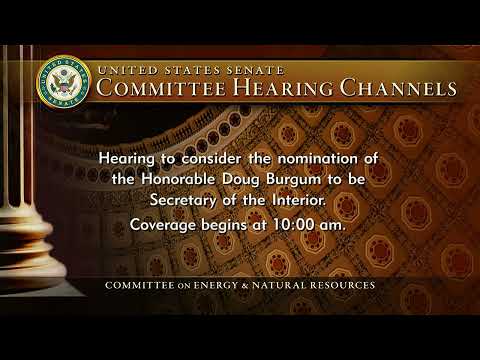
Tribal endorsements and law‑enforcement obligations discussed as Burgum vows consultation
Summary
Nominee Doug Burgum highlighted tribal endorsements and pledged consultation; senators pressed him on federal trust responsibilities, tribal law enforcement, missing and murdered Indigenous people, and implementing compacts and water settlements.
Senators asked Doug Burgum how he would manage the Interior Department’s government‑to‑government obligations to tribal nations and how he would address chronic law‑enforcement and public‑safety gaps on many reservations.
Nut graf: Senators from states with large tribal populations pressed Burgum to commit to strong tribal consultation, implementation of water settlements, improved Bureau of Indian Affairs staffing and resources, and attention to…
Already have an account? Log in
Subscribe to keep reading
Unlock the rest of this article — and every article on Citizen Portal.
- Unlimited articles
- AI-powered breakdowns of topics, speakers, decisions, and budgets
- Instant alerts when your location has a new meeting
- Follow topics and more locations
- 1,000 AI Insights / month, plus AI Chat