Get Full Government Meeting Transcripts, Videos, & Alerts Forever!
Get email alerts on the Traffic Safety topic
No spam. Unsubscribe anytime.
Bristol council hears strong public split on red-light and speed cameras; measure sent to ordinance committee
Summary
Residents and business owners sharply debated proposed camera enforcement; council said the matter was referred to the ordinance committee and outlined a multi-step review process including state approval for specific sites.
A heated public-comment segment and council discussion focused on a proposed program to place red‑light and speed cameras at high-crash locations around Bristol.
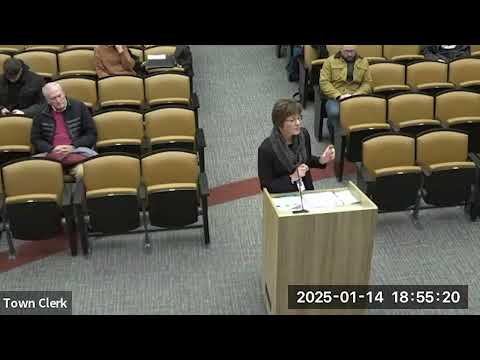
Opponents and supporters gave sharply different accounts of the likely effect. Julie Erwin, a property owner who said she manages rental housing in Bristol, told the council she “adamantly oppose[d] adding cameras in this city,” calling them government overreach and urging support for policing rather than automated enforcement. Jeremy (last name not given), who operates local tow companies, warned cameras would penalize businesses that rotate drivers and could unfairly fine vehicle owners when the actual driver differs.
Supporters said cameras can reduce deadly crashes. Daniel Bailey, a resident who said he has lost friends to traffic crashes, recounted pedestrian fatalities and close calls and said “we need to do better.” Several speakers urged data-driven site selection and stronger pedestrian protections.
Council process and next steps Councilor Sebastian Pena said the issue has been referred to the ordinance committee for consideration; Mayor (unnamed in the record) explained the multi-step process: ordinance language must be drafted, public hearings held, the police commission would review the ordinance and, if approved, the city would issue an RFP to choose a vendor. The mayor also said the state must approve each camera location before operation and that, based on state data, the city currently has “at most, 20 spaces where there’s been enough crash data collected by the state to allow a camera.” The mayor gave the ordinance committee’s next meeting date as Feb. 4, 2025.
Why it matters Speakers described pedestrian deaths and near-misses and framed the debate as one between automated enforcement and traditional policing and constitutional concerns. Opponents cited legal and privacy objections (including that citations fall to vehicle owners), and supporters cited crash‑reduction goals. Several speakers asked for more crash data to guide decisions.
No final action taken No ordinance or enforcement policy was approved at the meeting. The council recorded public comment, clarified the referral to the ordinance committee, and advised residents that the process will include additional committee review, public hearings and police‑commission consideration before any cameras could be activated.
Ending The city council encouraged continued public engagement and noted the matter will return through the ordinance committee, the police commission and potential public hearings before any local program could be authorized.