Get Full Government Meeting Transcripts, Videos, & Alerts Forever!
Get email alerts on the Procedures Attendance topic
No spam. Unsubscribe anytime.
Charter panel debates attendance rules and recommends bylaws for future commission
Summary
Members reviewed proposed meeting and attendance requirements for future charter commissions, debated numerical triggers for removal and whether rules should be prescriptive or left for the next commission to adopt in bylaws, and directed colleagues to submit drafting recommendations by the next meeting.
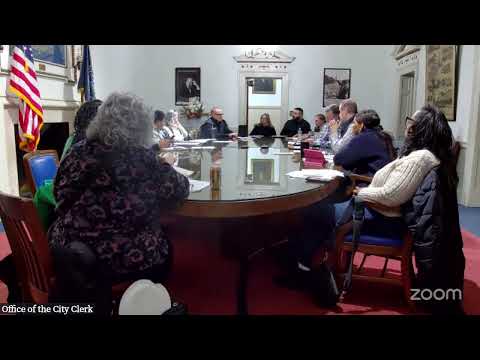
Mount Vernon’s Charter Review Commission discussed proposed meeting cadence and absence-trigger rules on Jan. 15, with members split between a prescriptive numeric rule and allowing future commissions to adopt bylaws.
Pamela Boyd, a member of the Charter Review Commission, walked the group through the proposed attendance language and said an initial draft had specified that missing three consecutive in-person meetings or five meetings of any kind would trigger a review. Boyd said that language was revised after feedback asking for more flexibility.
Commission members raised practical concerns. One member noted that the commission does not have a fixed meeting cadence established before appointees accept the role, so a strict “three consecutive meetings” rule could unintentionally remove active participants when schedules shift or meetings are rescheduled. Others argued the body needs some “teeth” so business can move forward when quorum problems impede votes.
Several commissioners suggested a compromise: include required bylaws for the next commission that set attendance rules and define what counts as a regularly scheduled meeting, rather than hard-coding one numerical trigger into the charter. Commissioners also proposed that the final recommended language could include a suggested framework — a nonbinding template or “recommended rules and procedures” — to speed organization when a new commission forms.
The commission asked members to submit written recommendations on attendance triggers and bylaws language, which staff said they will compile and circulate before the next meeting. No formal vote was held.
The group also discussed alternates and an advisory list for vacancies: some members favored appointing alternates from the original applicant pool or moving alternates onto an advisory list so applicants who narrowly missed selection could be tapped if vacancies occur.