Get Full Government Meeting Transcripts, Videos, & Alerts Forever!
Get email alerts on the Land Use Development topic
No spam. Unsubscribe anytime.
Orinda planning commission approves 1-year extension for Wilder Road memory-care project
Summary
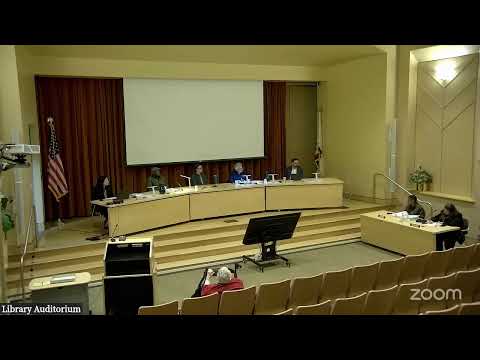
The Orinda Planning Commission voted unanimously Jan. 14 to extend approvals for the 1 Wilder Road Country House memory care project through Jan. 19, 2026, citing unchanged municipal standards and the project's role in the city's housing element.
The Orinda Planning Commission on Jan. 14 unanimously approved a one-year extension of approvals for the 1 Wilder Road Country House memory care project, extending the project expiration to Jan. 19, 2026.
City planning staff told the commission the request is for a one-year extension of previously approved entitlements (DRA-2016-094; GUP-2016-004; EXE-2017-017; EXE-2020-021). The project is described in the staff report as a 32,084-square-foot congregate care facility with 38 assisted-living units located at the entrance to the Wilder subdivision, south of Highway 24 and north of Wilder Road.
Selena, a planning staff member presenting the report, said the municipal code’s extension findings (Orinda Municipal Code §17.44.1c) turn on whether relevant city regulations or site conditions have “changed in any material way” since approval. Staff concluded the municipal code has not materially changed and recommended approval. Staff also noted the city’s adopted housing element lists the 38 units as a pipeline project that counts toward the regional housing needs allocation.
Richard Weston, identified as a member of the applicant’s team, told commissioners that rising construction costs and financing issues have delayed the project and that the applicant is seeking a less expensive construction approach. “It has become unfeasible to proceed because the cost of construction is so high,” Weston said. He said the applicant hoped “the project will get moving hopefully in the next year.”
Commissioners asked whether the extension presumes the project will be built as currently designed; the applicant responded that they plan to proceed “just as designed.” The commission received one email opposing the extension before the hearing, according to staff.
A motion to approve the one-year extension was moved and seconded by commissioners on the dais and carried unanimously. Roll call votes recorded Armstrong, Schmidt, Jelnick and Hubner voting yes; no votes, abstentions or recusals were recorded. The commission’s action carries a 10-calendar-day appeal period to the City Council. Staff read the appeal rights and noted that court challenges are governed by Code of Civil Procedure §1094.6.
The extension keeps the approvals active through Jan. 19, 2026, allowing the project to remain a pipeline unit in the housing element while the applicant addresses financing and construction-cost constraints. No changes to the project entitlements were adopted during the hearing.