Lifetime Citizen Portal Access — AI Briefings, Alerts & Unlimited Follows
Senate hearing spotlights stalled First Step Act implementation and unfilled reentry beds
Loading...
Summary
A Senate committee member and a nominee discussed gaps in implementing the First Step Act, including unfilled halfway‑house beds for people leaving federal custody, and the nominee said they would investigate if confirmed.
A Senate committee member and a nominee discussed gaps in implementing the First Step Act — including unfilled halfway‑house beds for reentry — during a Senate committee hearing.
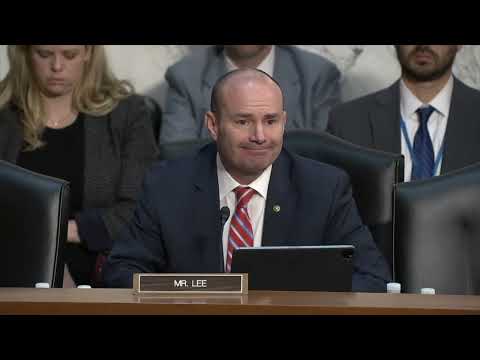
The committee member said criminal justice reform has been a long-term focus of their work and recounted partnering with other senators to pass the First Step Act, signed into law in December 2018. "As as you're aware, criminal justice reform has been an important, part of my role on this committee. I I worked for the better part of a decade, with, Senator Durbin, Chairman Grassley, senator White house, senator Cornyn, senator Booker, and a bunch of others to eventually pass the First Step Act, which president Trump signed into law in December of 2018," the senator said.
The senator said the First Step Act "was intended to be the first of multiple steps" and that implementation remains incomplete. "The the credits available under the First Step Act are still being implemented and need more," the senator said, arguing the law's mechanisms to shorten federal sentences and support reentry still require work.
The nominee replied that, if confirmed, they would help continue implementing the law. "I assume, you'd be willing, if confirmed, to help us continue to implement the First Step Act," the senator asked; the nominee responded, "Yeah. Yes. Yes, senator." The nominee also said they had learned — and characterized it as their understanding, not a confirmed fact — that many halfway‑house beds intended for reentry under the First Step Act "have not been filled under the First Step Act. So if that's true, I want to look at that right away and figure out why." The nominee framed that as an item they would investigate immediately if confirmed.
The committee member also pointed to other reform legislation they support, naming the SAFER Supervision Act and identifying themselves as a cosponsor. "I think, other reforms like the SAFER Superbation Act, of which I'm a cosponsor, can also be helpful on that front," the senator said.
No formal votes or committee actions were recorded in the provided transcript excerpt. The exchanges in the hearing focused on implementation status of federal reforms and on the availability of reentry resources rather than on a specific committee motion or binding directive.
Minutes later in the exchange the senator emphasized the federal government's leadership role on criminal justice policy and the need to correct past errors: "And so it's important that we get this right, especially given that we've been wrong at times in the past." The nominee's stated next step was to investigate the reported gap in halfway‑house placements and factors that might be preventing use of those beds.
The hearing did not include details on the number of unfilled beds, funding sources for reentry placements, or specific timelines for corrective action; those details were described as not specified in the excerpt.