Get Full Government Meeting Transcripts, Videos, & Alerts Forever!
Get email alerts on the Legal Aid topic
No spam. Unsubscribe anytime.
Legal Services of Northwest Minnesota outlines eviction support, legal kiosks and new community outreach
Summary
Legal Services of Northwest Minnesota staff described free civil legal aid they provide across 24,000 square miles, their presence at eviction hearings via Zoom, a mobile "justice bus," legal kiosks and a new "Legal Table" outreach model linking attorneys and community partners.
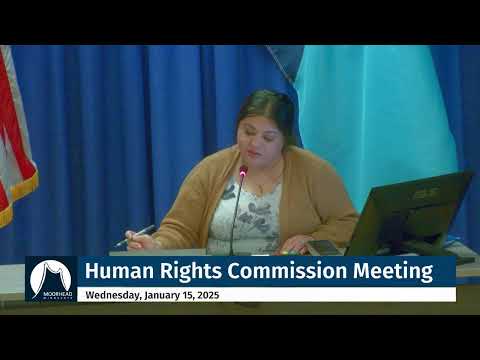
Anne Hefkin, executive director, and Crystal Jamerson, community engagement outreach coordinator, presented on behalf of Legal Services of Northwest Minnesota and described civil legal services the nonprofit provides to low-income residents across northwest Minnesota.
"We are a nonprofit law firm that provides free legal help to low income families and individuals in noncriminal cases," Hefkin said. She said the organization covers a 24,000-square-mile service area, has offered services in Moorhead since 1977 and maintains additional offices in Alexandria and Bemidji.
Hefkin emphasized housing as a focus area. She said Legal Services now appears at every eviction case in Clay County via Zoom court, enabling attorneys to provide advice or representation even if a client does not call ahead. "We attend every single housing case in Clay County," Hefkin said, adding that representation levels vary from full representation to brief advice and self-help resources.
The presenters described outreach tools funded in part by CARES Act money: legal kiosks placed at community partners (including the public library) for court and telehealth access, a mobile "justice bus" serving residents without transportation or technology, and self-help clinics that assist people filling court forms.
Jamerson described a new Legal Table project that pairs an attorney’s explanation of rights and responsibilities with community partners who present available services, and said sessions are webcast and posted to a YouTube channel. Jamerson also outlined plans for a community "huddle" in April to build trust among BIPOC organizations, police, city officials and residents and to surface local legal needs.
Hefkin and Jamerson urged residents to contact Legal Services for housing, family law, domestic-violence and income-maintenance issues; Hefkin said general eligibility is roughly up to 200% of federal poverty ("$40,000 for a household"), and applications may be made by phone or online.
Commissioners thanked the presenters and asked about human trafficking cases; Hefkin said Legal Services receives relatively few trafficking-specific calls but trains staff to recognize signs when clients present domestic-violence or other related matters.
The presentation was followed by offers of partnership from the commission and community members.