Get Full Government Meeting Transcripts, Videos, & Alerts Forever!
Get email alerts on the Tcpadecisions topic
No spam. Unsubscribe anytime.
Justices hear TCPA timing and collateral‑estoppel fight in Sabre Point v. Farmland Partners
Summary
The Texas Supreme Court heard argument in Sabre Point Capital Management v. Farmland Partners on whether trial courts may reconsider Texas Citizens Participation Act (TCPA) rulings after the statute's 30‑day deadline and whether collateral estoppel from an earlier Colorado case bars the Texas claims.
The Supreme Court of Texas heard argument in 230634, Sabre Point Capital Management and others v. Farmland Partners, a case addressing whether trial courts may reconsider rulings on motions under the Texas Citizens Participation Act (TCPA) after the statute’s 30‑day decision deadline and whether factual findings from a federal proceeding in Colorado preclude claims in Texas.
At issue is whether a district court may, after the TCPA’s mandatory 30‑day decision period has passed and a denial has occurred “by operation of law,” later reconsider and grant dismissal — and, if so, for how long a court should be allowed to revisit the order without undermining the statute’s purpose. The case also raises whether collateral estoppel should prevent plaintiffs from relitigating factual findings made in the Colorado litigation.
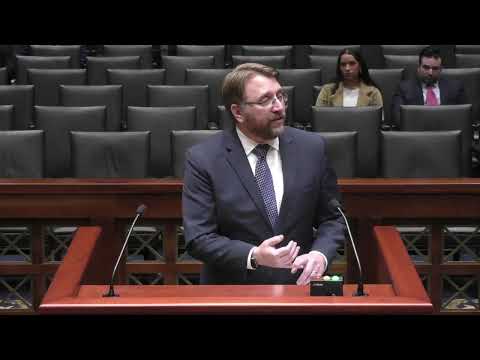
Petitioners’ counsel argued the TCPA’s 30‑day rule should not block a trial court’s power to correct its own errors. "I think at bottom, this case boils down to a couple of very intuitive and basic principles," counsel said, urging that district courts retain plenary control to correct errors and avoid forcing parties to pursue interlocutory appeals when a late reconsideration would vindicate the moving party. Petitioners noted the practical overlap between TCPA motions and summary‑judgment-type procedures and urged the court to avoid an outcome that would place all consequences — including attorney’s‑fee exposure — on the party moving under the TCPA.
Respondents countered that the TCPA’s text, and the statute’s fee provisions, counsel in favor of a strict 30‑day rule because the legislature created the deadline and a clear consequence (denial by operation of law) to ensure prompt handling of early dismissal motions. "If this court decides that 30 days doesn't really mean 30 days, then we're into this outside of what the legislature intended," counsel said, arguing trial courts and litigants need predictable consequences to prevent gamesmanship and preserve the statute’s deterrent effect.
Justices questioned both sides about several practical problems. Several justices asked whether "laches" or a similar equitable timeliness principle might cabin a trial court’s power to revive a TCPA motion after the appeal window has passed and whether permitting reconsideration would invite extremely late TCPA grants after years of discovery and dispositive‑motion practice. Petitioners suggested a limited rule that would allow reconsideration only within the period in which an interlocutory appeal could be perfected; some justices pressed whether that compromise would meaningfully address the attorneys‑fee concerns respondents raised.
The court also heard argument that collateral estoppel should preclude plaintiffs’ claims based on findings in an earlier Colorado case. Petitioners argued the Colorado rulings were "fully and fairly litigated" and directly map to the Texas claims; respondents countered that the Colorado decision concerned personal‑jurisdiction questions and so cannot be given full preclusive effect on the merits in Texas. Counsel debated whether factual findings made while a federal court determined personal jurisdiction can bind a Texas trier of fact for claims that were not finally adjudicated on the merits in Colorado.
Justices asked whether resolving the collateral‑estoppel question could moot the TCPA issue if the Colorado findings foreclosed the plaintiffs’ underlying claims, and whether — as a practical matter — the court must reach both questions given the overlap between the motions granted below.
After argument the court submitted the case.