Mass turnout in Chinatown opposes proposed 211 Alpine adult entertainment use; council to seek closed‑session legal briefing
Loading...
Summary
Dozens of Chinatown residents, business owners and civic leaders flooded City Hall on March 28 to oppose a proposed adult entertainment use at 211 Alpine Street, saying the venue would harm families, schools and cultural institutions in the neighborhood.
Dozens of Chinatown residents, business owners and civic leaders flooded City Hall on March 28 to oppose a proposed adult entertainment use at 211 Alpine Street, saying the venue would harm families, schools and cultural institutions in the neighborhood.
The concern culminated in an extended public hearing on the matter (item 62a) during which speakers described Chinatown as a living community of churches, schools, family associations and small businesses that should not host an adult entertainment venue. Don Morey, speaking for Chinatown business and residents, said the proposal "galvanized the community like no other issue in the past 25 years." Several speakers said the proposed site sits within walking distance of Castelar Elementary and a community English academy.
The hearing drew attorneys and constitutional experts as well as members of neighborhood and business associations. Attorney Jeffrey Goldfarb, who has defended cities in adult‑business litigation, told the council the city's record and legal arguments make this "in fact a winnable case," arguing that Los Angeles' zoning and permitting system differs from the Simi Valley decision at issue. Another attorney, Ozell (Zell) Branson, said factual claims that the school nearby was not operating were incorrect and that the English‑as‑a‑second‑language program next door had an established curriculum and waiting list.
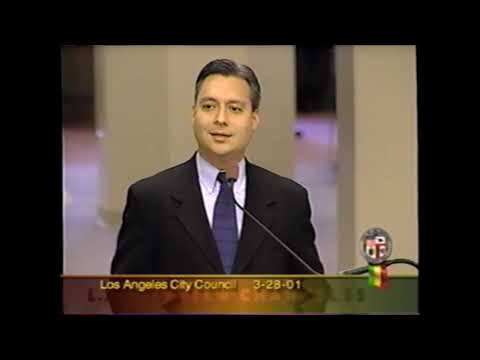
Councilman Mike Hernandez, whose district includes Chinatown, thanked residents for turning out and said he expected to hear legal advice in closed session to protect the council's position. "Never have I seen ... a united voice the way you've seen today," Hernandez said, urging the council to consider the city attorney's recommendation.
Several councilmembers echoed calls to defend the city code and argued the Simi Valley precedent should not automatically control Los Angeles law. Councilman Burnson, who helped craft the city's 500‑foot buffer rule in earlier years, urged the council to be prepared to "uphold our city ordinances." Councilman Pacheco joined those urging a robust legal defense.
Action and next steps: the council did not take a public vote on the underlying permit at the March 28 hearing. Instead the council held the matter "on the desk" to return to it later in the meeting and then directed staff to hold a closed‑session briefing with the city attorney to discuss litigation strategy and qualified immunity concerns. Members instructed that the public comment record remain part of the file and that the council would reconvene consideration after the closed‑session legal briefing.
Why it matters: Chinatown's speakers stressed that the site's proximity to schools, temples and family associations gives the issue outsized community impact. Opponents said an adult venue would damage a multi‑decade economic revival led by small businesses and a newly formed Business Improvement District. Proponents of legal defense argued that Los Angeles' zoning and permitting framework differs from the federal court opinion critics cite and that the city has factual and legal grounds to defend its decisions.
The council indicated it will reconvene and continue the item at a later meeting after the closed‑session briefing from the city attorney; no final public action was taken March 28.