Get Full Government Meeting Transcripts, Videos, & Alerts Forever!
Get email alerts on the Hotels Self Storage Camping Amendments topic
No spam. Unsubscribe anytime.
Commission opposes proposed ordinance limiting hotel stays, self‑storage camping and short‑term stays; staff urged to work with service providers
Summary
The Planning Commission heard a package of zoning changes aimed at keeping hotels, self-storage and campgrounds from being used as long‑term housing. After extensive public comment from hoteliers and homeless‑service providers, the commission voted unanimously against advancing the draft ordinance as written.
City staff presented a package of proposed zoning amendments intended to prevent commercial land uses — especially hotels, self‑storage units and informal camping — from becoming de facto permanent housing and creating neighborhood impacts.
Neighborhood Services staff member Aaliyah told the commission the proposal was prompted by repeated calls for service and public‑safety impacts connected with long‑term occupancy at some older motel properties. “We have 30 hotels that have business licenses in the city,” Aaliyah said, and staff recommended changes including stricter limits on length of stay (a 30‑day limit with narrow exceptions, plus a proposed 90‑night exception for people accepted into a rehousing program), a requirement that hotels keep expanded guest registers available to the city, the ability for the city to inspect rooms for compliance, required crime‑prevention reviews for future hotels, and restrictions on living in self‑storage units or camping on private lots except for very limited, temporary uses.
Staff said incentives for redevelopment could include waiving some design overlay standards and allowing larger signs for hotels that redevelop, and that violations could range from zoning penalties to condemnation in extreme cases. Staff also proposed requiring internal rooms or additional security measures for new hotels and suggested accommodating RVs and large vehicle parking in site design to avoid street parking conflicts.
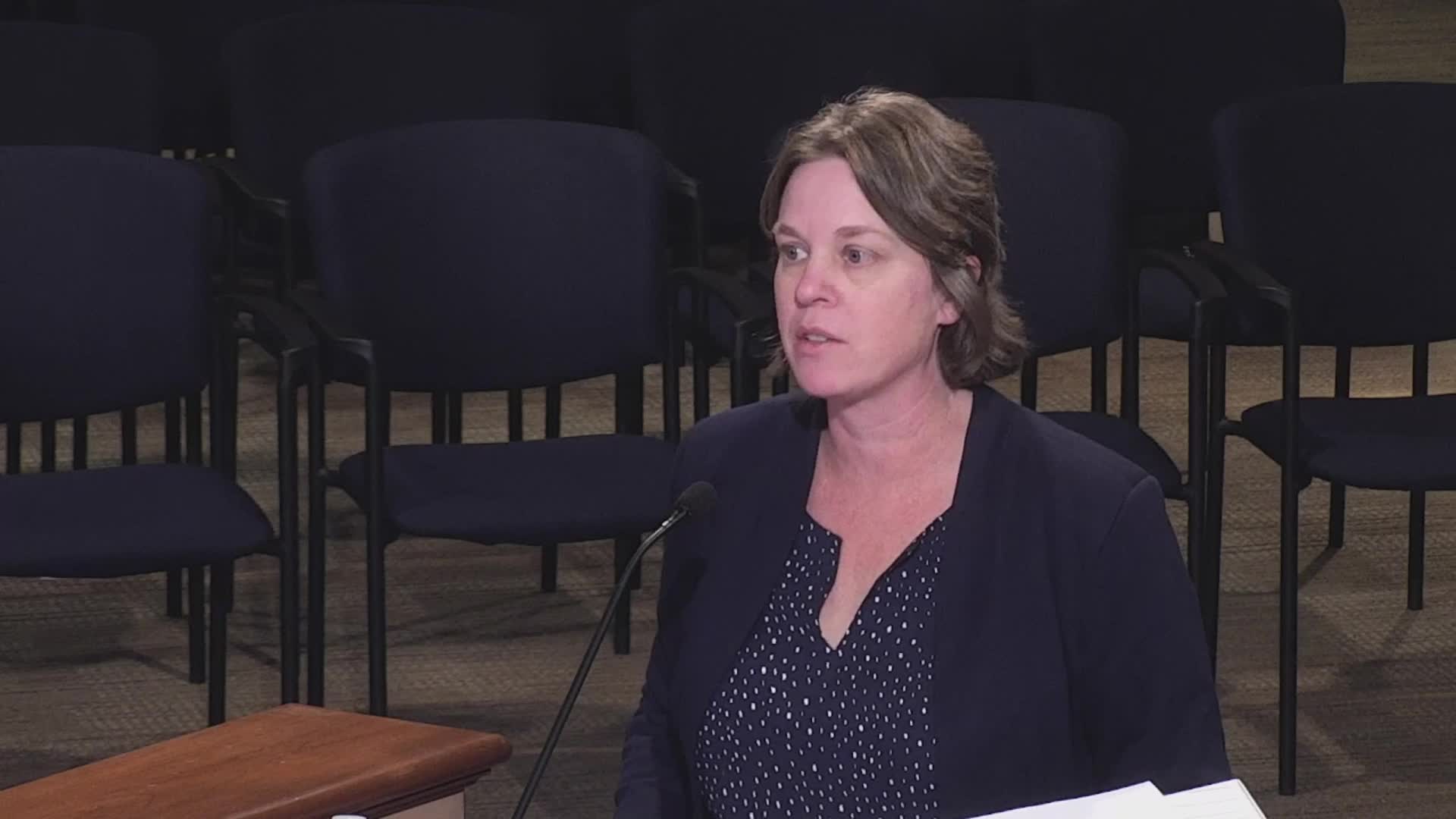
Public comment was extensive. Hotel owners and operators—many representing small, family‑owned motels on Riverview Road—warned the draft would sharply reduce local revenue, disrupt business travelers and long‑term contract stays, and create difficult operational and legal issues (third‑party booking engines, refund/cancellation liabilities, and guest privacy concerns). Multiple hotel speakers said locals make up a large share of stays and asked for more time to work with staff on feasible alternatives; several owners also described doing informal “do not rent/trespass” lists and working with police when guests cause problems.
Homeless‑service providers raised the opposite concern that the ordinance, if adopted without alternative housing capacity, could increase unsheltered homelessness. Melissa Carlisle of the Catawba Area Coalition for the Homeless said local shelters and programs lack the capacity to absorb everyone who currently relies on motels for temporary housing and asked to be part of follow‑up conversations. Service providers and several commissioners emphasized that limiting motel stays without adding shelter or housing options would shift the problem rather than solve it.
Commission action and next steps: After nearly two hours of testimony and discussion, a commissioner moved to approve the proposed revisions as written; that motion was seconded and then voted down unanimously. The Planning Commission’s recommendation therefore opposes the draft ordinance in its current form; staff and the commission noted Council will take up the package at a future meeting and that further engagement with hotel operators and homeless‑service agencies is warranted before any final action.
What staff plans next: Staff said the package could be revised before first reading at City Council and that individual parts of the draft (for example, registry requirements, the 30‑day limit, or the exception process) can be adjusted after additional stakeholder meetings. Staff also noted enforcement would require staff time and coordination with police and that an exact implementation cost was not provided during the meeting.