Get Full Government Meeting Transcripts, Videos, & Alerts Forever!
Get email alerts on the Equitable Estoppel Land Use topic
No spam. Unsubscribe anytime.
Dallas Ordinance Dispute: Justices Hear Argument Over Permit Error and Equitable Estoppel
Summary
The court considered whether equitable estoppel can bar the City of Dallas from enforcing a residential‑proximity slope (RPS) ordinance against a completed, permitted townhouse project, a dispute that raises when courts may apply estoppel against government actors.
The Supreme Court of Texas heard oral argument in PDT Holdings v. City of Dallas, No. 230842, a dispute arising after PDT Holdings built a multi‑unit townhouse that Dallas later said violated the city’s Residential Proximity Slope (RPS) rules. The trial court applied equitable estoppel and enjoined the city from enforcing the RPS requirement against the completed structure; the City of Dallas appealed.
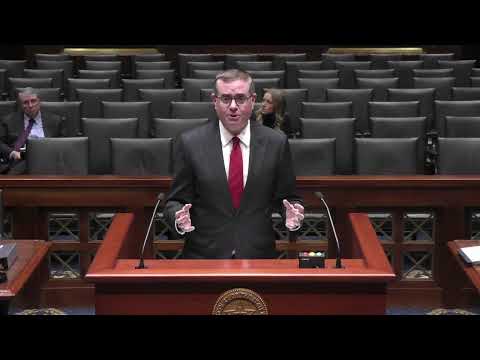
Petitioners’ counsel (identified in the record as Mr. Bridal) described a seven‑month sequence of communications and inspections between PDT and Dallas staff, starting with pre‑purchase inquiries and culminating in issued permits and inspections. Counsel said city staff repeatedly reviewed plans and issued permits (including an initial approval and a later reapproval after an inspector raised a height issue), that construction reached near completion, and that the city then raised an RPS objection so late that the building remained physically complete and unoccupied. Counsel argued the facts make an "exceptional" case under this court’s precedents (Superwash and related authorities) that warrants estoppel against the government to prevent a manifest injustice: demolition of a completed structure and the loss of substantial investments.
City counsel (Mr. Palmer) replied that the record does not support the trial court’s application of estoppel because the petitioners failed to prove the predicate elements the court has required before estopping a government entity. Dallas’s counsel argued (1) the evidence showed oversight or negligence rather than deliberate inducement or affirmative misrepresentation by the city, (2) the city received no material benefit from the actions at issue, and (3) applying estoppel where a municipal function is at stake would interfere with the city’s ability to enforce land‑use laws for the benefit of neighbors. Counsel noted the court’s guidance in Superwash and API and argued those decisions limit estoppel against governmental entities.
Witness Philip Thompson testified at trial that his company had relied on the city’s representations and inspections and that the building sits vacant because the city refuses to issue a certificate of occupancy absent compliance with RPS. Counsel and justices discussed alternative remedies the petitioner pursued (requests for variances and board of adjustments proceedings) and why the trial court nonetheless granted equitable relief.
The court took the case under submission after argument; no decision was announced from the bench.