Get Full Government Meeting Transcripts, Videos, & Alerts Forever!
Get email alerts on the Constitutional Republicanism Etj topic
No spam. Unsubscribe anytime.
Justices Weigh Challenge to College Station’s Extraterritorial Regulation Under Texas Constitution
Summary
The court considered whether homeowners who live outside College Station but inside its extraterritorial jurisdiction (ETJ) may be regulated by the city without a democratic check and whether those plaintiffs have standing or face other jurisdictional obstacles; argument also addressed the new SB 2038 withdrawal process.
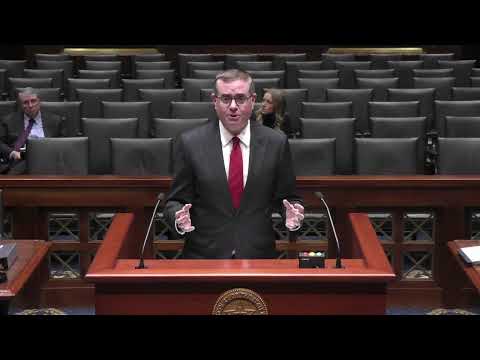
The Supreme Court of Texas heard oral argument in Shana Elliott and Lawrence Kalkke v. City of College Station, No. 230767, a challenge to municipal regulation of properties located in a city’s extraterritorial jurisdiction (ETJ). Petitioners argue the city's exercise of regulatory power over nonresidents who cannot vote in municipal elections infringes Article I, Section 2 of the Texas Constitution (the republican‑form provision).
Petitioners’ counsel, Mr. Weldon, told the court that his clients "want to do ordinary things for their property like put up yard signs or make modifications to their driveways, but they can’t do so without seeking permission from a city where they do not live." He argued municipal regulation absent a democratic check violates the republican‑form clause and likened the injury to being governed by officials in whom the property owners have no electoral recourse.
City counsel (Miss Killian and Mr. Hightower) urged multiple jurisdictional hurdles: ripeness, standing, mootness and the political‑question doctrine. They argued there is no live controversy because the city has not actually enforced ETJ regulations against petitioners and because Senate Bill 2038 (SB 2038), a recently enacted statute referenced during argument, provides a statutory process by which property owners may seek removal from a city's ETJ. The city counsel said those withdrawals (where granted) can render the constitutional question moot and that the court below properly considered the political‑question doctrine.
Justices pressed both sides on two recurring issues: whether SB 2038 changes the standing analysis or moots claims if petitioners instead use the statutory withdrawal mechanism; and whether the republican‑form clause is a nonjusticiable political question. Counsel for petitioners said SB 2038 does not cure their injury where petitioners still must seek permission from a city in which they cannot vote and noted the record showed multiple denials by College Station of withdrawal petitions (counsel said the city had denied 10 separate applications). City counsel replied that application and judicial review of SB 2038 is pending in other courts and that the statute remains in effect until and unless a court invalidates it.
No decision was announced from the bench; the justices took the case under submission after argument.