Get Full Government Meeting Transcripts, Videos, & Alerts Forever!
Get email alerts on the Nonprofit Governance topic
No spam. Unsubscribe anytime.
Texas Supreme Court Hears SMU Challenge Over Church’s Role in University Governance
Summary
The Supreme Court of Texas heard argument in Southern Methodist University v. South Central Jurisdictional Conference of the United Methodist Church over whether the conference may challenge SMU’s 2019 amendments to its articles of incorporation and whether courts must abstain under ecclesiastical‑abstention doctrine.
The Supreme Court of Texas heard argument in Southern Methodist University v. South Central Jurisdictional Conference of the United Methodist Church, No. 230703, over whether the conference has statutory authority to challenge SMU’s 2019 amendments to its articles of incorporation and whether ecclesiastical-abstention doctrine removes the courts’ jurisdiction.
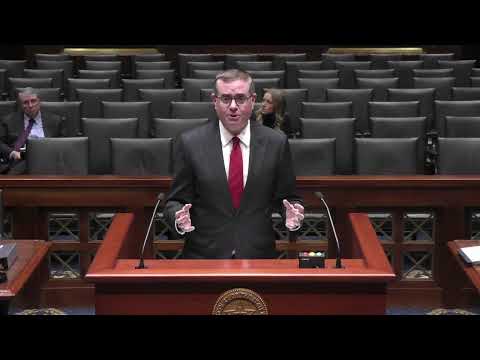
Petitioners’ counsel, A. Ho, told the court that the question is governed by neutral principles of law and Texas nonprofit law, not church doctrine. Ho argued that SMU is a nonmember nonprofit corporation and therefore cannot be "owned" by the conference under Texas law; she said the board updated the articles in 2019 to conform to Texas law and that section 22.002 of the Texas Nonprofit Organization Act limits who may bring ultra vires-type claims. "If any rule of corporate law is firmly established, it’s that third parties can’t bring vexatious litigation, second‑guessing board of trustees’ exercise of their sound business judgment," Ho said during argument.
Respondent counsel Sonny McIntyre said the dispute is a hybrid one that implicates church autonomy and the conference’s long‑standing governance role over SMU. He told the court the conference seeks declaratory and injunctive relief under what it contends are the university’s own founding documents and cited other provisions the conference reads as preserving control. "The church must prevail here; otherwise we are interfering with an ecclesiastical aspect of its mission," McIntyre said. He asked the court to recognize the conference’s asserted rights under statutes cited in briefing and to allow relief including a declaratory judgment and remedies for an allegedly false certificate filed with the secretary of state.
Justices questioned both sides about the interplay of Masterson and other precedents the court has used to apply neutral principles of law in church‑related disputes. Petitioners emphasized Masterson and related decisions as support for resolving corporate‑governance disputes without wading into religious doctrine. Respondents asked the court to consider whether statutes the parties cited (as discussed at argument) supply authorization to sue, and whether the articles from 1996 that state SMU was to be "owned, maintained, and controlled" by the conference retain legal effect.
No ruling was made from the bench; the case was taken under submission after argument and the court recessed.
The argument focused on two threshold issues: (1) subject‑matter jurisdiction/abstention (whether ecclesiastical doctrine requires dismissal), and (2) statutory authorization/standing under the Texas nonprofit statutes as framed by the parties’ briefs and oral argument. The parties and the justices discussed whether the claimed remedy (breach of contract, declaration, or a claim under the ultra vires/section‑based framework) is properly characterized so that section 22.002 (as raised by petitioners) either forecloses or allows relief. No final decision was announced at argument.