Get Full Government Meeting Transcripts, Videos, & Alerts Forever!
Get email alerts on the Immigrant Protections topic
No spam. Unsubscribe anytime.
Council adopts updated Welcoming City ordinance to further limit local cooperation in civil immigration enforcement
Summary
Evanston’s council suspended the rules and passed an updated Welcoming City ordinance to expand safeguards for immigrants, including limits on sharing city data for immigration enforcement. Staff and legal advisors said courts previously rejected federal attempts to withhold funding over similar policies.
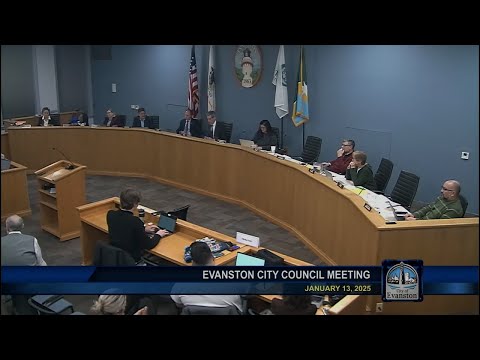
The Evanston City Council on Jan. 13 suspended the rules and adopted an update to the city’s Welcoming City ordinance intended to strengthen protections for immigrants and to limit local cooperation with civil immigration enforcement.
City staff and advocates said the update aligns local policy with state law and extends new safeguards to city data and third‑party vendors so that city databases are not used for immigration enforcement. Liza Robertson Young, the city’s chief legislative policy adviser, told council that the updated ordinance would prohibit the city from sharing databases or allowing third‑party resellers to repurpose city data where the intended purpose is civil immigration enforcement.
Context and justification: Staff and immigrant‑rights advocates argued the measure is a precaution against increased federal enforcement actions. The city’s legal advisor noted that a prior attempt in the previous federal administration to condition federal funds on local cooperation with immigration enforcement was rejected by courts. Robertson Young said that precedent strengthens the city’s legal position if any challenge arises.
Council action: Council member moved and seconded suspension of the rules so the ordinance could be introduced and acted upon the same evening. The clerk recorded an 8–0 roll call; the ordinance (17‑0‑25) was adopted that night.
What supporters said: Speakers from immigrant‑advocacy groups, community leaders, healthcare workers and students urged passage, saying the ordinance will protect public safety by ensuring immigrants do not fear seeking medical care, calling police, or using city services.
What staff said: Staff said the ordinance updates earlier city versions (2016/2017) to reflect amendments to the Illinois Trust Act and to add explicit controls on data sharing and third‑party vendors. Staff reported they will review vendor contracts and data‑sharing arrangements to limit disclosures for immigration enforcement purposes.
Ending: Council members emphasized the city’s intent to protect vulnerable residents and noted the city prevailed in prior litigation that opposed federal pressure to rescind similar local protections.