Get Full Government Meeting Transcripts, Videos, & Alerts Forever!
Get email alerts on the Land Use Comprehensive Plan topic
No spam. Unsubscribe anytime.
Council decouples Envision Evanston 2045 plan and zoning rewrite; LUC directed to set deadlines
Summary
After extended public comment, the council voted to separate the comprehensive plan from the zoning code rewrite. The Land Use Commission (LUC) was directed to provide a recommendation on the comprehensive plan by the end of February and to recommend zoning changes by the end of August.
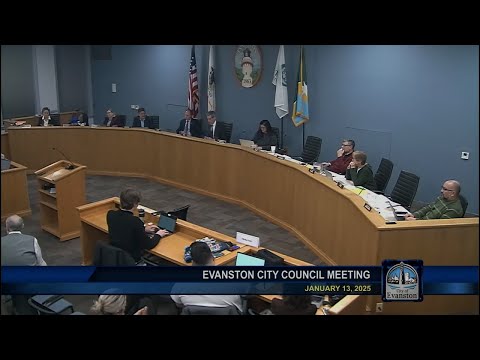
The Evanston City Council on Jan. 13 voted to separate Envision Evanston 2045 — the city’s draft comprehensive plan — from an accompanying zoning code rewrite and set deadlines for Land Use Commission recommendations.
The council directed the Land Use Commission to recommend a final comprehensive plan to the council by the end of February; the LUC was also directed to provide a recommendation on a proposed zoning code by the end of August. The votes came after more than three hours of public comment by roughly 100 speakers and an extended council debate about process and pace.
Why it matters: The comprehensive plan sets the city’s long‑term policy goals for housing, transportation, land use and climate resilience; the zoning code translates those goals into legally enforceable rules about building types, heights and uses. Separating the two was intended to give more time for community review and to reduce the risk of rushing complex zoning changes into law.
Council action and timeline - Motion to decouple the comprehensive plan and zoning: passed unanimously (8–0). - Motion to direct the LUC to make a recommendation on the comprehensive plan by the end of February: passed 5–3. - Motion to direct the LUC to recommend changes to the zoning code by the end of August: passed 7–1.
What staff and the LUC said: Land Use Commission chair Joe Rogers told the council the commission needs complete draft materials and supporting data to make a responsible recommendation. Staff said they have compiled further data, graphics and citations requested by the LUC and can present a revised comprehensive plan for LUC consideration if the commission’s deadlines are met. Staff also warned the council that missing deadlines for material delivery would make the proposed timetable impractical.
Public input: Speakers across many sectors were sharply divided: residents, housing advocates and climate groups asked the council to move forward to increase housing supply and cut emissions; other residents and civic organizations urged the council to slow the process, demand more data and adopt stronger anti‑displacement protections. Several speakers emphasized differences by ward and said outreach was uneven.
Clarifying details from staff: The city reported roughly 33,000 occupied housing units and a 7% residential vacancy rate. Staff said that preliminary tallies show more than 4,000 community participants and 125 public meetings related to Envision to date; they also cited the land use commission’s request for additional technical materials and mapping prior to final recommendation.
Ending: Council members said they hoped the new schedule would preserve momentum while giving the Land Use Commission and the public the time the process needs. The council emphasized that any final adoption votes would remain the council’s responsibility and that members would hold staff and the LUC to the new deadlines.