Get Full Government Meeting Transcripts, Videos, & Alerts Forever!
Get email alerts on the Pollution Liability topic
No spam. Unsubscribe anytime.
County buys pollution liability policy for landfill as officials weigh long‑term funding
Summary
Administrator and risk staff purchased a $5 million pollution liability policy for 2025 and asked the committee to consider the balance between insurance and a county reserve for ongoing landfill closure and contamination risks.
Marathon County purchased a $5 million pollution liability insurance policy for its solid‑waste operations and is exploring how much long‑term financial protection the county should hold in reserves versus insured limits.
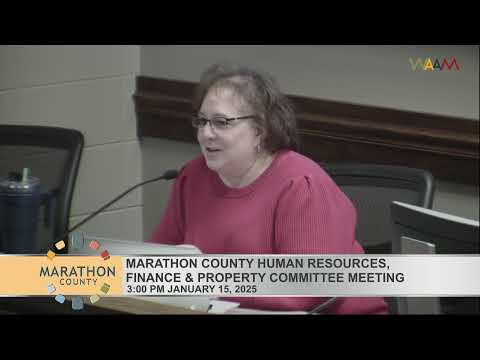
County Administrator Lance Leonard and risk manager staff told the Administration Committee the county’s insurance broker, Robertson and Ryan, identified market options and the county secured a $5 million limit for an annual premium of $15,063.75 (including taxes). The initial premium for 2025 was paid from the county’s risk management funds, Leonard said.
Officials said the policy covers on‑site cleanup, third‑party pollution liability and certain transportation coverage, subject to a $10,000 deductible per pollution condition; defense expenses are included. Staff cautioned that many insurers currently exclude emerging contaminants — including PFAS — and that pollution coverage markets continue to narrow, so the county decided to maintain some internal reserve. Marathon County presently holds about $2.8 million in a pollution/liability reserve fund, county staff reported.
Solid Waste Director Dave Hagenbusher told the committee the county must plan both for closure and long‑term care costs the Wisconsin Department of Natural Resources (DNR) requires for landfill cells. Those OFR (owner financial responsibility) figures have increased over recent years; county staff estimated an unfunded long‑term care gap in the multi‑million‑dollar range (staff cited an approximate $6 million shortfall in long‑term care funding discussed at an earlier committee meeting). Officials said the county currently maintains DNR‑controlled closure and long‑term care escrows; some public entities have sought net‑worth tests to change how OFR is calculated.
Committee members asked whether other county operations — the airport, highway, and parks departments — should be evaluated for pollution liability needs. Staff said the initial policy purchase targeted the department with the most immediate exposure (solid waste) but that risk management will examine county‑wide pollution exposure and recommend whether additional coverage is warranted.
Finance and administration staff recommended evaluating whether to continue a blended approach: maintain a dedicated county fund while purchasing insurance to transfer some risk. Committee members asked staff to provide policy terms and exclusions and to return with a county‑wide insurance assessment for 2026 budgeting decisions.